





What was the vision behind establishing MBSAT, and what role do you see the company playing in Oman’s emerging space ecosystem?
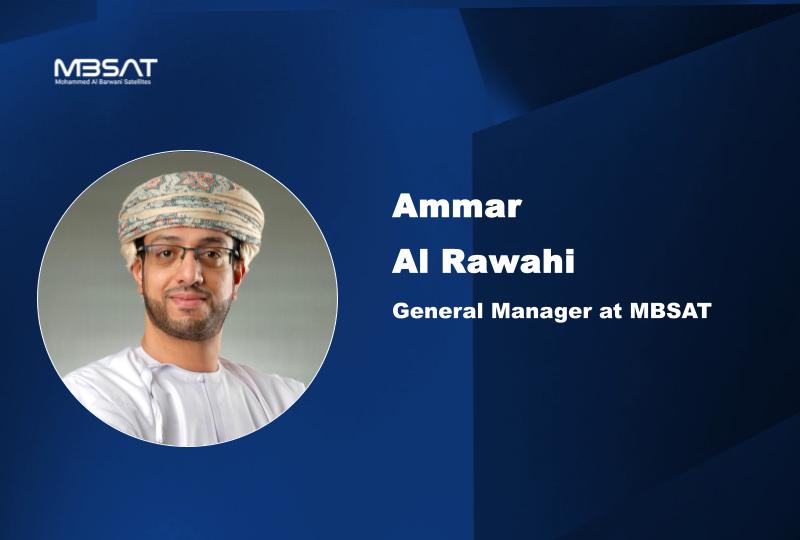
MBSAT was established with a vision to contribute to Oman’s digital transformation by developing sovereign satellite communications capabilities and supporting the goals of Oman Vision 2040. As the first space-focused arm of MB Group, MBSAT represents a long-term commitment to the space sector and serves as the foundation for MB Group’s future investments and strategic initiatives across the space value chain.
Our ambition extends beyond providing connectivity services. We aim to support the development of a sustainable space ecosystem by creating local expertise, attracting strategic partnerships, facilitating technology transfer, and supporting the growth of a knowledge-based economy. Through MBSAT-1, we are undertaking one of the largest private investments in the space sector in the GCC and wider region, reinforcing our belief that space infrastructure will be a key enabler of economic diversification and digital resilience.
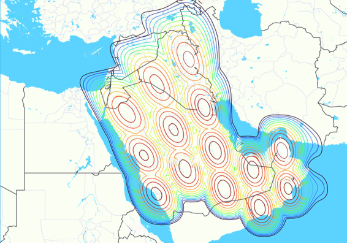
MBSAT-1 is a major investment in Oman’s satellite communications infrastructure. What specific connectivity gaps is the satellite designed to address?
MBSAT-1 is designed to address connectivity challenges across remote and underserved locations where terrestrial networks may be difficult, costly, or impractical to deploy. This includes offshore energy assets, maritime routes, aviation applications, government facilities, critical infrastructure, remote communities, and enterprise operations located beyond the reach of traditional communications infrastructure.
A key differentiator is that MBSAT-1 is expected to provide the largest dedicated Ka-band capacity and the first software-defined coverage in the region. This substantial increase in available bandwidth will enable high-performance connectivity services capable of supporting cloud applications, IoT networks, AI-enabled solutions, enterprise communications, and next-generation digital services. By bringing this level of capacity to the market, MBSAT-1 will help bridge connectivity gaps while improving resilience, reliability, and service quality across Oman and neighboring markets.
What will MBSAT-1 enable for Oman that is not currently possible through existing satellite communications infrastructure?
The most significant advantage of MBSAT-1 is that it provides dedicated satellite capacity aligned specifically with Oman’s national priorities. Rather than relying solely on shared international satellite resources, Oman will benefit from enhanced operational flexibility, increased security, better service customization, and a stronger degree of sovereign control over critical communications infrastructure.
In addition, the satellite’s significant Ka-band capacity will provide levels of dedicated broadband capability that have not previously been available through Omani-owned infrastructure. This enables new possibilities for government communications, digital transformation initiatives, smart infrastructure, remote industrial operations, maritime and aviation connectivity, AI applications, and future digital services that require high-capacity, reliable, always-on connectivity.
You are working with international partners such as Astranis and Telespazio France. What capabilities and expertise do these partnerships bring to MBSAT, and how important are international partnerships to your strategy?
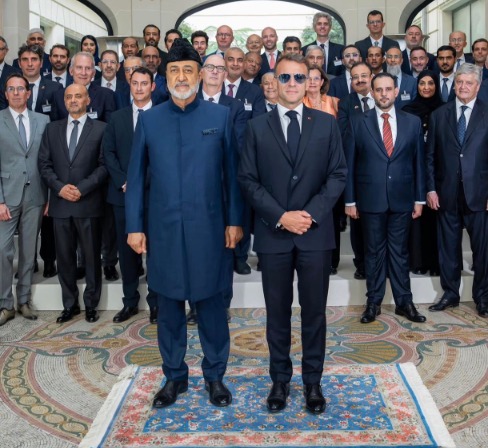
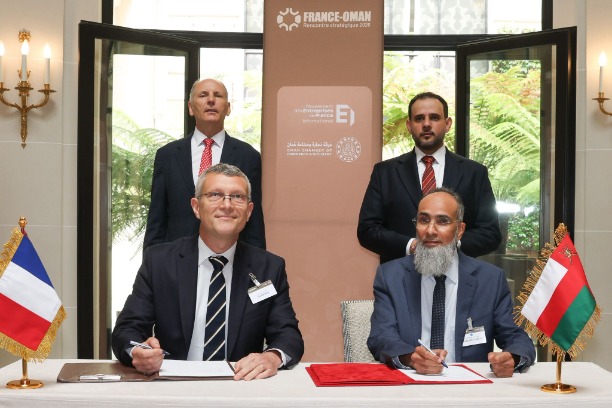
International partnerships are central to our strategy. Astranis brings advanced expertise in MicroGEO satellite technology and dedicated sovereign communications networks, while Telespazio France contributes decades of experience in satellite applications and services in Oman and the region. The MoU was signed as part of His Majesty Sultan Haitham bin Tarik’s state visit to the French Republic. These partnerships provide access to world-class technical capabilities, operational excellence, and industry best practices while delivering maximum value to our stakeholders.
Equally important is the knowledge transfer these partnerships enable. Our goal is not simply to acquire technology, but to build local expertise and strengthen Oman’s long-term capabilities in satellite operations, service delivery, and space-sector development. The combination of international expertise and local capability building is essential to creating a sustainable and competitive space ecosystem.
How do you see the balance between commercial satellite services and Oman’s longer-term ambition to develop sovereign space and communications capabilities?
We view commercial success and sovereign capability development as complementary goals. Commercial satellite services provide the revenue base and market experience needed to sustain long-term investment, innovation, and operational excellence. At the same time, sovereign communications infrastructure strengthens national resilience, security, and digital independence.
Our investment in MBSAT-1 demonstrates this philosophy. As one of the largest private investments in space infrastructure in the region, the project is designed to deliver immediate commercial value while simultaneously contributing to Oman’s broader strategic ambitions in communications, technology, and space development. By combining commercial viability with national priorities, we can create lasting value for both customers and the country.
What ground infrastructure and operational capabilities is MBSAT developing in Oman, and how much of the satellite’s operations will be managed locally?
Our investment extends well beyond the satellite itself. MBSAT is developing the supporting ground infrastructure required to operate and manage advanced satellite communications services, including ground stations, network management capabilities, and operational facilities within Oman.
A core objective is to progressively increase the level of local participation in satellite operations and service management. Through partnerships, training, and knowledge transfer, we aim to build a highly skilled Omani workforce capable of managing critical aspects of satellite operations locally, ensuring long-term sustainability and national capability development.
Beyond telecommunications, which sectors in Oman do you expect to benefit most from MBSAT-1 — for example, energy, maritime, government, remote communities, or critical infrastructure?
The impact of MBSAT-1 will extend well beyond traditional telecommunications. We expect significant benefits across several strategic sectors, including:
- Energy and utilities, through reliable communications for remote assets and operations.
- Maritime and logistics, through enhanced connectivity across shipping routes, ports, and offshore activities.
- Government and public services, through secure and resilient communications networks.
- Aviation, including support for in-flight connectivity and operational communications.
- Remote communities, through improved access to broadband services.
- Critical infrastructure operators, where uninterrupted connectivity is essential for operational continuity and resilience.
These sectors are fundamental to Oman’s economy and are increasingly dependent on reliable, high-capacity communications infrastructure.
Looking beyond MBSAT-1, does MBSAT envision expanding its satellite fleet or developing additional regional connectivity services?
MBSAT-1 is a major milestone, but it is only the beginning of our journey. As the first space venture within MB Group, it establishes the foundation for broader ambitions in satellite communications, space-enabled services, and future space-related investments. It is not the final destination, but rather the first step in a much larger long-term strategy.
As market demand evolves, we will evaluate opportunities to expand capacity, introduce additional services, and explore complementary segments of the space economy. Our objective is to build a scalable platform capable of supporting Oman and regional markets while creating long-term value through innovation, partnerships, and continuous investment.
Oman is increasingly positioning itself as a regional space hub, with companies working across launch, satellite communications, Earth observation, and space services. Where do you see the biggest opportunities for private-sector companies in this ecosystem?
The most promising opportunities lie in satellite communications, Earth observation applications, geospatial analytics, downstream space data services, space-enabled IoT solutions, cybersecurity, and advanced digital infrastructure. There are also significant opportunities in developing specialized services that support both government and commercial customers across the broader space value chain.
Private-sector companies have an important role to play in accelerating innovation, attracting investment, commercializing new technologies, and developing practical applications that deliver economic and societal value. By working closely with government, academia, and international partners, the private sector can help position Oman as a leading space applications and logistics hub in the region.
Looking ahead to 2030, what would success look like for MBSAT, and what role would you like the company to play in Oman’s and the wider GCC’s space economy?
By 2030, success would mean establishing MBSAT as a leading regional space and satellite communications company with a strong operational presence in Oman, a highly skilled local workforce, and trusted partnerships with global industry leaders.
We would like MBSAT to be recognized for delivering the region’s largest dedicated Ka-band communications capacity and software-defined beams, for executing one of the largest private-sector space investments in the GCC and wider region, and for helping strengthen Oman’s position within the regional and global space economy.
Beyond commercial achievements, success would mean contributing to Oman’s digital sovereignty, developing local technical capabilities, attracting further investment into the national space sector, and supporting the growth of a sustainable space ecosystem. Ultimately, we aspire for MBSAT to become a key enabler of Oman’s space ambitions and a platform from which MB Group expands its participation across multiple segments of the space economy. MBSAT-1 is the first step in that journey, not the last.