





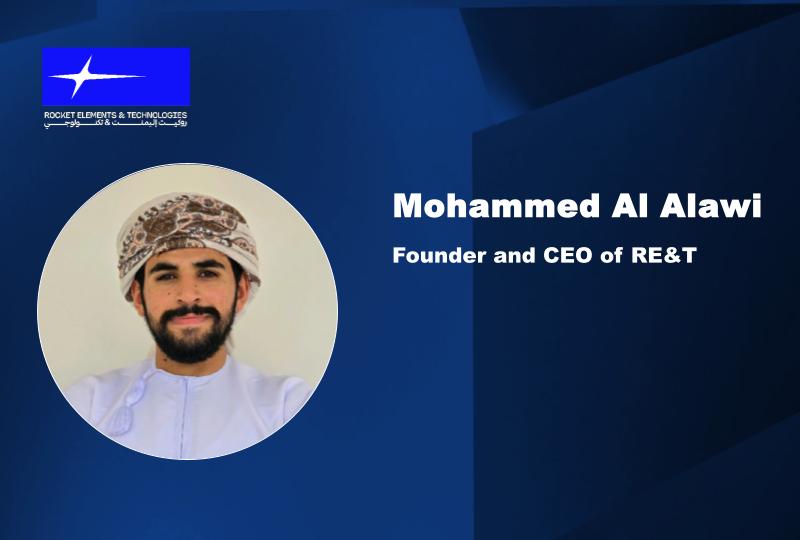

What inspired you to launch RE&T, and why did you choose turbopump technology as the company’s initial core focus? What opportunity did you identify in the global space transportation market?
RE&T was inspired by the idea of Oman becoming a global hub for launching rockets into space. Propulsion is the foundation of a space rocket launch. Oman has no access to rocket engines, constraining what can be achieved from Omani soil. RE&T explored acquiring rocket engines, but encountered export controls and prices so high that they compromised Oman’s sovereignty and commercial feasibility. This left one solution: to innovate and build. That was the start of RE&T. RE&T began its operations with turbopump technology. A rocket engine is a cluster of subsystems, of which turbopumps dominate in complexity and cost. With turbopump capability secured, the rest of the engine follows naturally. Additionally, through RE&T innovative solutions, significant cost reductions in turbopump development can benefit both local and global space transportation markets.
RE&T’s vision is to make space transportation more economical “in and through Oman.” What does this vision mean in practice, and how do you see the company contributing to the development of Oman’s space industry?
RE&T’s vision is centered around rocket systems affordability and accessibility. “In Oman” means it prioritizes national resources and capabilities, such as human capital, manufacturing, and local supply chains. “Through Oman” means it is open to regional and international collaboration to sustain the development process through technology transfer, infrastructure establishment, and global supply chains. That will support Oman’s space industry: existing and new players in the industry will leverage what has been established to develop related systems, and the space ecosystem will become mature enough to build space rockets, achieving upstream sovereignty. Additionally, Oman is taking steps toward establishing rocket launch spaceports and attracting international launchers, which can benefit from what RE&T develops alongside the space ecosystem. RE&T’s rocket systems and capabilities close the technological gap in commercial space access by supplying advanced systems to space launchers.
What inspired you to launch RE&T, and why did you choose turbopump technology as the company’s initial core focus? What opportunity did you identify in the global space transportation market?
RE&T was inspired by the idea of Oman becoming a global hub for launching rockets into space. Propulsion is the foundation of a space rocket launch. Oman has no access to rocket engines, constraining what can be achieved from Omani soil. RE&T explored acquiring rocket engines, but encountered export controls and prices so high that they compromised Oman’s sovereignty and commercial feasibility. This left one solution: to innovate and build. That was the start of RE&T. RE&T began its operations with turbopump technology. A rocket engine is a cluster of subsystems, of which turbopumps dominate in complexity and cost. With turbopump capability secured, the rest of the engine follows naturally. Additionally, through RE&T innovative solutions, significant cost reductions in turbopump development can benefit both local and global space transportation markets.
RE&T’s vision is to make space transportation more economical “in and through Oman.” What does this vision mean in practice, and how do you see the company contributing to the development of Oman’s space industry?
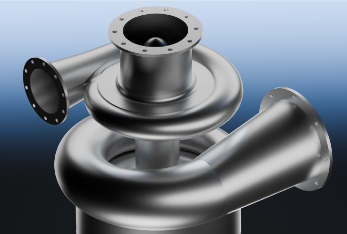
RE&T’s vision is centered around rocket systems affordability and accessibility. “In Oman” means it prioritizes national resources and capabilities, such as human capital, manufacturing, and local supply chains. “Through Oman” means it is open to regional and international collaboration to sustain the development process through technology transfer, infrastructure establishment, and global supply chains. That will support Oman’s space industry: existing and new players in the industry will leverage what has been established to develop related systems, and the space ecosystem will become mature enough to build space rockets, achieving upstream sovereignty. Additionally, Oman is taking steps toward establishing rocket launch spaceports and attracting international launchers, which can benefit from what RE&T develops alongside the space ecosystem. RE&T’s rocket systems and capabilities close the technological gap in commercial space access by supplying advanced systems to space launchers.
Export-controlled systems are not sustainable in many respects. Technology development is restricted by “black boxes” that leave no room for further innovation. Furthermore, commercial feasibility breaks down due to incredibly high prices and long lead times. These systems also often compromise the sovereignty of the country of origin, creating a dependency chain with the countries seeking to acquire them through that country of origin. As RE&T brings affordability to its turbopumps and accessibility to local and global space markets, the industry will achieve breakthroughs in space access with lower costs. Additionally, nations with sovereignty goals will also be able to innovate. Collective innovation in rocket technology will benefit everyone, as many comparative advantages will shape the future of space technology.
Looking ahead, what partnerships and collaborations is RE&T pursuing — both within Oman and internationally — and what role do you see strategic partnerships playing in accelerating the company’s growth?
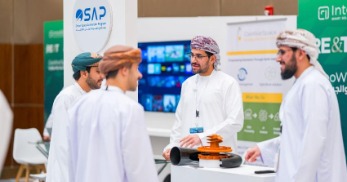
RE&T wants to move fast in a fast industry. To achieve that, RE&T must collaborate with like-minded partners, locally and internationally, to establish full operational capability in Oman for turbopump and rocket engine development. That includes design, manufacturing, and testing capabilities. Additionally, fast R&D operations are a must: designs should be manufactured quickly and tested quickly to validate, iterate, and qualify them. RE&T leverages its collaborations to empower its team to accelerate its innovations within the industry.