

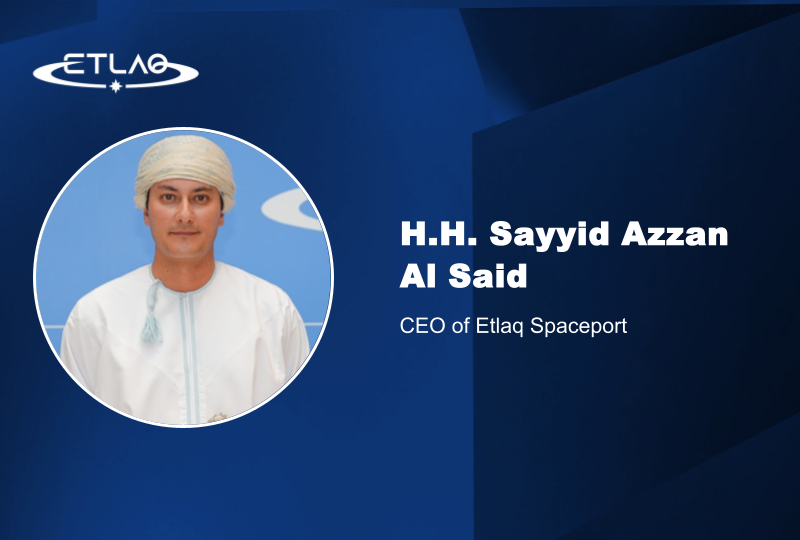
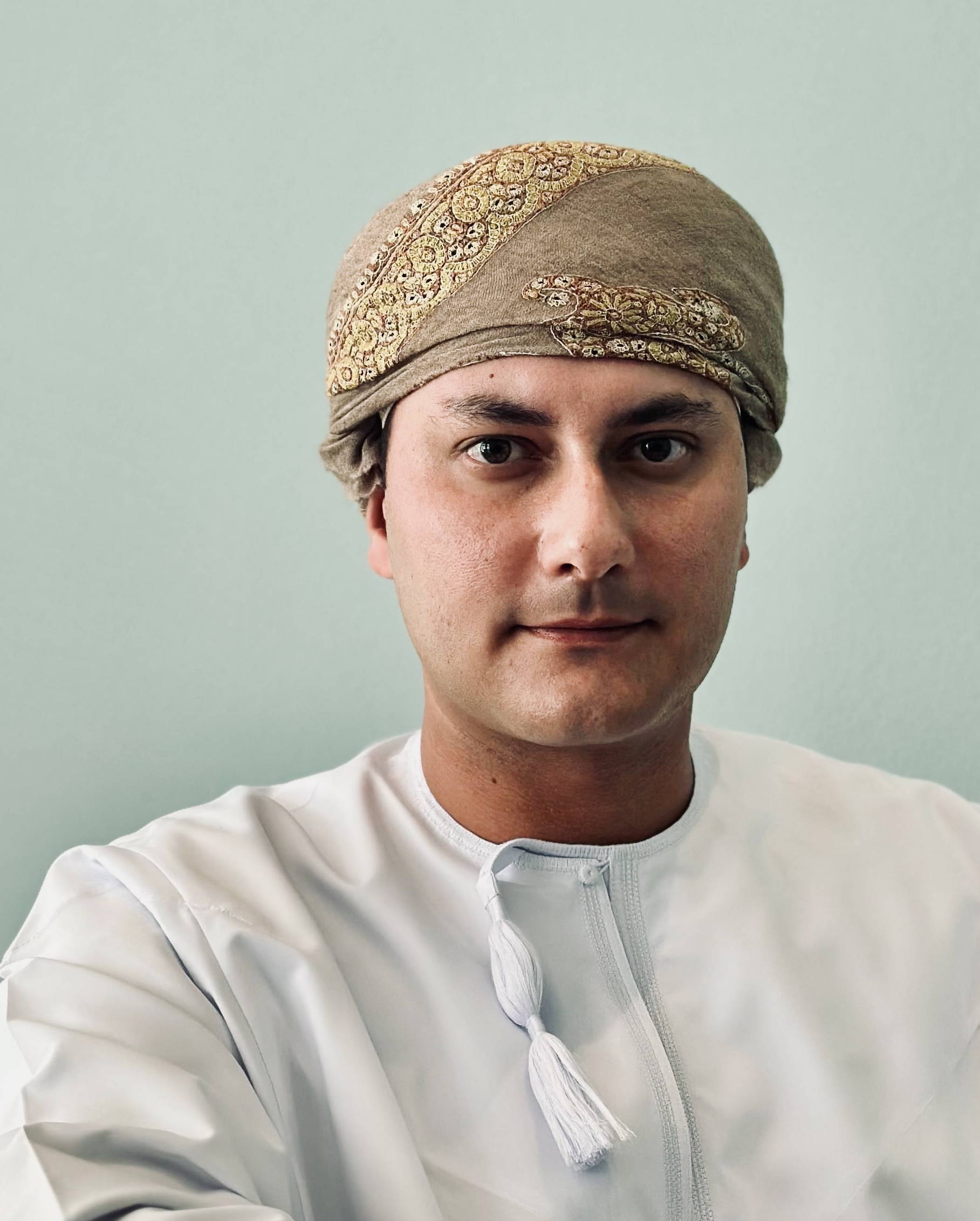
Etlaq Spaceport vision has been described as becoming a trusted gateway to space. Now that agreements are in place with several international launch providers, how has that vision evolved?
Etlaq’s vision itself remains constant, but it now stands on a firmer foundation of demonstrated commitments. We aim for Etlaq to be the destination international providers select because our geography, our regulatory environment, and our partnerships all work in their favor. Just as important, we want Oman recognized globally as a credible, dependable participant in the space economy.
Since its establishment, Etlaq has achieved several important milestones. What have been the most significant achievements so far, and what key developments can the industry expect in the coming years?
Establishing the Genesis Program in 2024 and launching Duqm-1 stand as our most significant milestones to date. The maiden launch was conducted from Omani soil and it demonstrated that our ground systems, safety protocols, and mission coordination function reliably from planning through liftoff. Since then, we have expanded the Genesis Program and have newly established agreements with European partners. Looking ahead, the industry should expect the development of our orbital launch complexes, moving Etlaq from experimental missions into full scale commercial operations between 2027 and 2028.
How does Etlaq’s location in Duqm strengthen its competitiveness as a future regional and international launch hub for launch providers evaluating Etlaq?
Our coastline provides safe, open downrange access over the Arabian Sea, and our position at 18° latitude positions us favorably for a wide range of orbital trajectories once our orbital complexes become operational. Combined with close proximity to Duqm’s airport, seaport, and free zone, the logistics of transporting vehicles and personnel become considerably more efficient than at most comparable sites.
How has the Genesis Program expanded this year, and how does that growth connect to the construction of the full orbital spaceport targeting 2027 to 2028?
We have added a second launchpad and brought the Launch Vehicle Integration Hangar into operation, enabling enabling integration and testing operations to proceed in parallel rather than sequentially. Alongside the structural expansion, Genesis has focused on gathering customer requirements and preparing the existing facilities for upcoming missions. Every system we validate now is the same system that will scale into the orbital complexes, so by the time the full spaceport reaches completion, we will be building upon an operating model already tested and refined through every Genesis mission.
What does Etlaq’s full spaceport masterplan look like in terms of physical capacity?
Our masterplan centers on four launch complexes, encompassing everything from micro class to heavy lift vehicles, allowing us to support the full spectrum of launch providers within a single facility. Ground systems and integration infrastructure are being developed in parallel with each complex, ensuring capacity expands in step with demand.
Etlaq’s roster of international partners continues to grow, with Latitude and HyImpulse both signing Letters of Intent this year alone. What does this expanding roster say about where Etlaq stands today, and what does each provider bring to the roadmap?
Our agreements with two established European launch service providers reflect genuine confidence in our infrastructure and our operational record under the Genesis Program. Each partnership contributes differently: Latitude expands the diversity of vehicles we support and will start to operate from 2027, while HyImpulse introduces both suborbital and orbital capability through its SR75 and SL1 vehicles, allowing these partnerships to mature alongside us as we progress toward full orbital operations. Together, these agreements strengthen our position within the European market, where demand for launch capacity continues to grow.
What role has Oman’s government played in supporting Etlaq’s growth this year, and what did it mean for the Latitude agreement to be signed during His Majesty Sultan Haitham bin Tarik’s state visit to France?
Beyond the continued regulatory collaboration with the National Space Program and the Civil Aviation Authority, being invited to attend the Omani-Franco Business Forum as part of His Majesty Sultan Haitham bin Tarik’s state visit to France, at the invitation of President Macron, was a genuine honor, and one we take real pride in.
It placed Etlaq in the room for one of Oman’s most significant international engagements, a clear signal that our work is viewed as central to the nation’s ambitions, not a peripheral initiative. That level of recognition carries as much weight as any regulatory milestone.
Where does the regulatory framework stand today, and what should launch providers expect next?
The Civil Aviation Authority directive CAD 5-01 established a functioning launch approval pathway, and the National Space Law represents the next significant step, formalizing that framework at the national level. Our objective is an environment that meets international safety standards without the delays providers often encounter elsewhere, and we are constructing it deliberately so that it remains robust as we scale.
Beyond launch services, how do you envision Etlaq contributing to the wider development of Oman’s space ecosystem, including local talent development?
Talent is a central part of how we think about Etlaq’s role beyond launch itself. We are launching a training course that combines theoretical grounding with hands-on experience for professionals building a career in this industry, and we are also looking at how the spaceport can support applied research and provide opportunities for local companies to grow into the wider space value chain over time.
Looking ahead, what do you want Etlaq, and Oman, to be known for in the global space industry?
We want Etlaq to be recognized as a spaceport that delivers on its commitments: reliable, responsive, and straightforward to work with. And we want Oman to be recognized as a nation that identified this opportunity early and built the foundation necessary to support it seriously. Achieve that, and the launches, the partnerships, and the broader growth follow as a natural consequence.