


Looking back at 2025 and into early 2026, which achievements from CST’s space agenda do you consider the most visible and impactful — both within the Kingdom and on the global stage?
Looking back at 2025 and into early 2026, one of the most visible achievements has been CST’s continued efforts to strengthen the Space ecosystem and position Saudi Arabia as an attractive environment for innovation and entrepreneurship in the sector. This was reflected through initiatives and engagements that supported ecosystem growth, increased international visibility, and enabled stronger collaboration between startups, investors, and industry stakeholders. Participation in initiatives such as the Entrepreneurship World Cup (EWC) and SpaceUp competition helped create valuable opportunities for local and international startups and SMEs to engage with the ecosystem, showcase their technologies, and connect with potential demanders and partners
On the regulatory side, CST continued advancing the sector’s regulatory environment through public consultations and ongoing engagement with stakeholders, supporting a more transparent and collaborative approach toward the development of the Space sector.
In parallel, CST focused on enabling startups and entrepreneurs by integrating them into major events and ecosystem activities, helping support innovation, visibility, and access to wider commercial and investment opportunities.
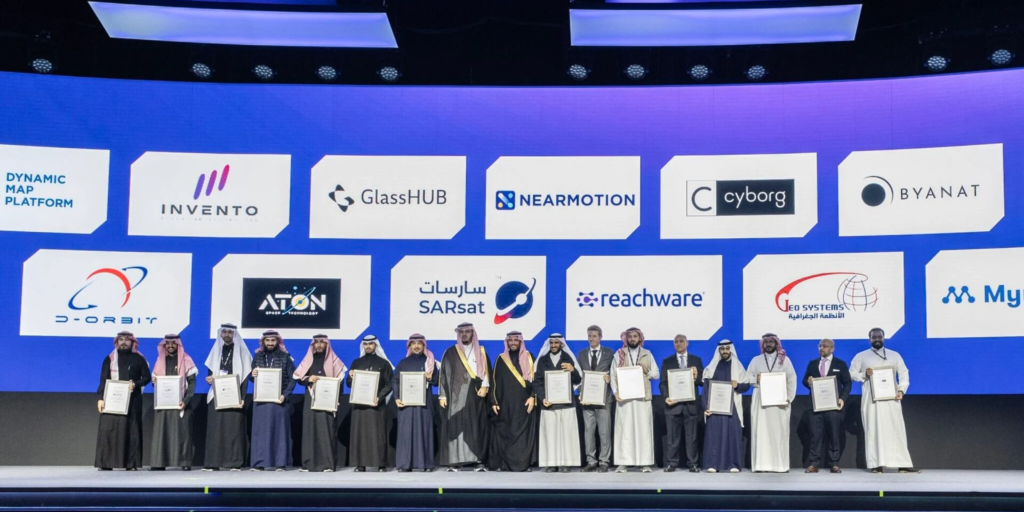
SpaceUp was a first-of-its-kind competition in the region — what was the original thinking behind it, and did the outcome match what CST had envisioned when it was first designed?
The original thinking behind SpaceUp Competition was to introduce a demand driver to support startups, where sector needs shape the selection and support of high-potential solutions rather than relying solely on traditional grant-based funding. Instead of offering financial grants alone, the competition focused on providing winning startups with access to real commercial opportunities and contracts within the Kingdom.
The concept was designed around addressing some of the most common challenges faced by startups, particularly access to funding, securing customers, and validating their products in the market. Through this approach, SpaceUp aimed to help bridge the gap between innovation and actual market demand.
Overall, the outcome aligned well with CST’s vision of creating a more commercially driven and sustainable model for supporting entrepreneurship in the Space sector.
Beyond agriculture, environment, and urban planning, are there any emerging EO use cases in Saudi Arabia that have surprised you in terms of demand?
Beyond traditional sectors, CST has seen growing interest in expanding Earth Observation applications into more industry-focused areas, including logistics, infrastructure, and natural resources.
One of the areas that stood out the most in terms of demand was disaster management and national security. The increasing need for rapid response, monitoring, and real-time data has highlighted the critical role that Space applications and Earth Observation capabilities can play in supporting decision-making and emergency intervention.
The investor awareness initiatives with Saudi Venture Capital and Private Equity Association (VCPEA) are ongoing — what is the current state of private investment flowing into the Saudi space ecosystem, and what sectors within space are attracting the most interest?
Investor awareness initiatives remain ongoing and continue to support broader engagement with the investment community around opportunities in the Space sector.
Today, investment flowing into the Saudi space ecosystem over the past three years has included major investments, including USD 350 million from Axiom, USD 13 million from OQ Technology, the USD 150 million Saudi Space Fund, and USD 200 million from OneWeb, reflecting growing market interest and activity across the sector.
In terms of areas attracting the most attention, interest has largely been focused on downstream applications and commercially driven Space solutions, particularly applications that support different industries and enable practical use cases through Space technologies and data.
Regulation and business friendliness can sometimes feel like they’re pulling in opposite directions — how does CST find that sweet spot when it comes to attracting international space companies while still maintaining proper oversight?
CST works to maintain a balanced approach between enabling business growth and ensuring an effective regulatory environment for the Space sector. One of the key approaches is engaging the private sector directly in regulation development through public consultations, allowing stakeholders to contribute feedback and perspectives throughout the process.
In addition, CST’s regulatory sandbox enables companies to test emerging technologies and services within a controlled environment, helping support innovation while ensuring the appropriate regulatory oversight. Through these efforts, CST aims to create an attractive environment for international Space companies while supporting sustainable sector growth.
How is CST measuring whether its regulatory environment is genuinely competitive against other emerging space hubs?
CST continuously monitors the competitiveness of its regulatory environment through benchmarking, stakeholder engagement, and sector-related indicators. This includes tracking market developments, investor and company feedback, regulatory trends in emerging Space hubs both locally and internationally, and the overall ability to attract and enable local and international Space companies.
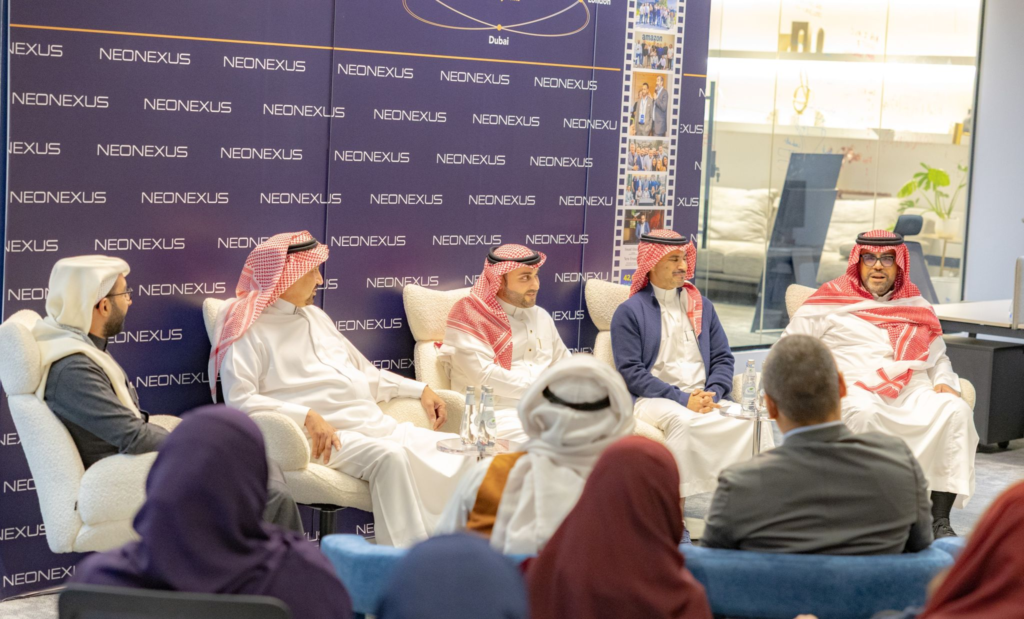
Behind all the regulations, platforms, and competitions, space ultimately runs on people — where is Saudi Arabia today in terms of having enough homegrown space talent, and is the gap closing fast enough?
Human capital remains a key pillar for the growth of the Space sector, and the Saudi Space Agency (SSA) plays a leading role in developing national capabilities across different educational and professional levels. The Kingdom has made strong progress in building a growing talent pipeline, starting from early-stage awareness programs through to university and higher education initiatives.
This has been reflected through initiatives such as the Kingdom’s participation in the International Olympiad for Astronomy and Astrophysics, in addition to programs like the “Madak” competition launched by SSA to encourage interest in Space sciences and technologies among students at an early stage. Together, these efforts are helping strengthen the national talent base and gradually close the skills gap required to support the sector’s long-term growth.
Many space technologies — satellite imaging, communications, positioning — are inherently dual-use. How is Saudi Arabia approaching the governance of dual-use space technologies, and is CST working closely with other sectors on this?
Saudi Arabia addresses this through close coordination and collaboration between regulators and relevant sectors. CST works closely with different entities in government and sector regulators, including organizations such as General Authority of Civil Aviation (GACA) , the Ministry of Industry and Mineral Resources (MIM), and the Ministry of Environment, Water and Agriculture (MEWA), to support the responsible development and deployment of Space-related services and applications.
This collaborative competition also extends to initiatives such as SpaceUp, where government entities participate in identifying sector needs and supporting practical use cases. The focus is not only on regulation, but also on enabling services, experiments, and ensuring that regulatory requirements are met in a way that supports innovation and sector growth.
Vision 2030 is approaching its final years — where does Saudi Arabia realistically stand today in terms of becoming a top-tier global space nation, and what is the single most critical milestone CST is focused on before 2030?
As Vision 2030 approaches its final years, Saudi Arabia is moving beyond being primarily focused on downstream Space applications toward enabling more upstream capabilities and technologies within the Kingdom.
One of the key priorities today is enabling companies to develop and test Space technologies locally by supporting experimentation, and technology validation activities. The broader objective is to position the Kingdom as a regional hub for developing Space-related services and enabling advanced Space technologies and experiments before 2030