


Bahrain
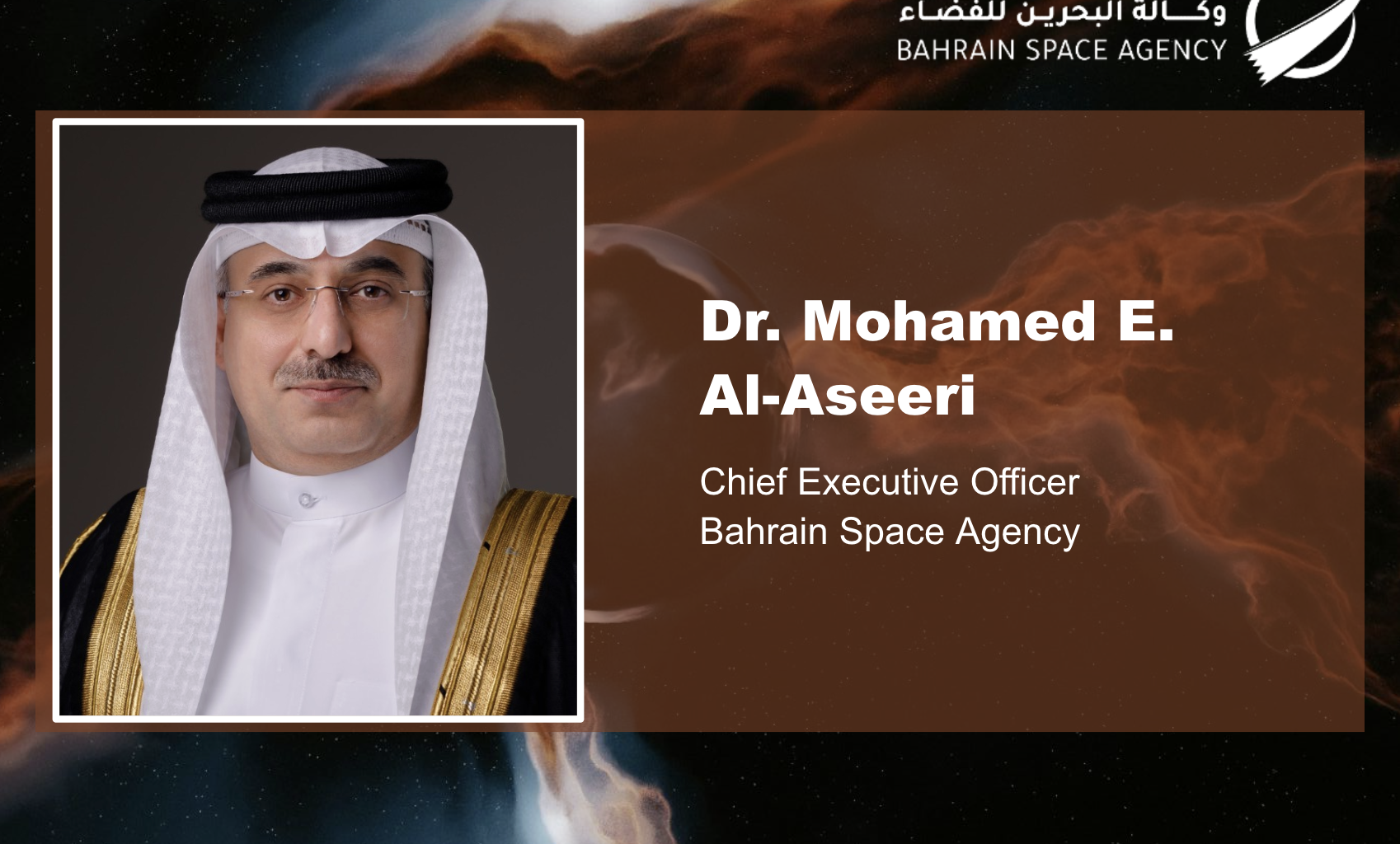
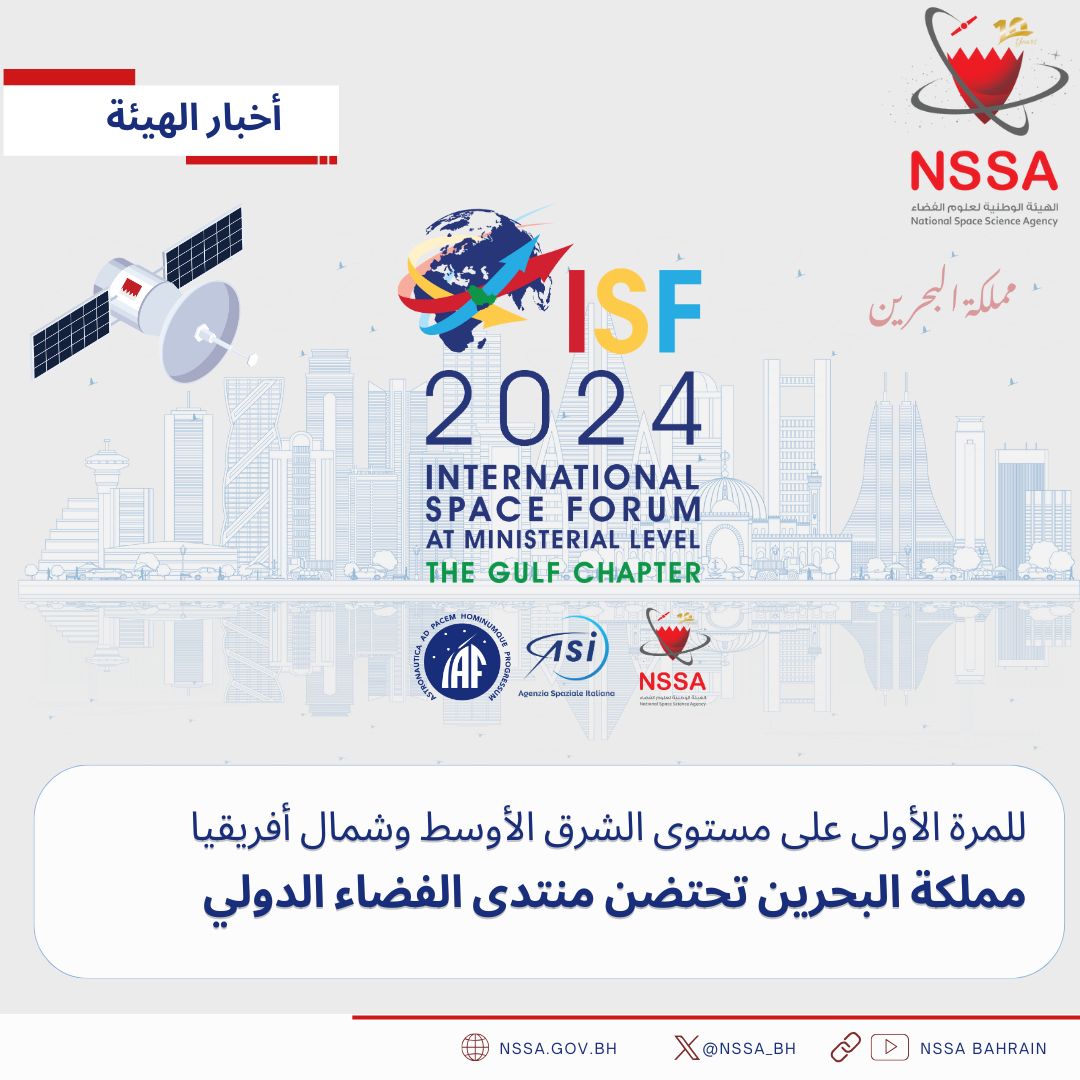
The Bahrain section of Spacetech in Gulf tracks the rapid evolution of the Kingdom’s space sector, led by the Bahrain Space Agency (BSA)—formerly the National Space Science Agency (NSSA). Since its establishment, Bahrain has transitioned from a participant in regional collaborations to a developer of sovereign orbital assets. This section highlights the Kingdom’s “people-first” strategy, which focuses on cultivating high-caliber national talent to drive a sustainable and innovative space economy in alignment with Bahrain Economic Vision 2030.
Central to our coverage is the Al-Mundhir (Al-Munther) satellite, the Kingdom’s first domestically designed and built nanosatellite. Launched in March 2025, Al-Mundhir represents a landmark achievement in sovereign engineering, featuring advanced payloads for Earth Observation and an onboard AI system for real-time image processing. We monitor the mission’s ongoing success in capturing high-resolution data of Bahrain’s territorial waters, which is vital for maritime domain awareness and environmental protection. Our reporting also covers the Aman Payload, Bahrain’s first hosted payload focused on space-based cybersecurity, ensuring the resilience of future satellite communications.
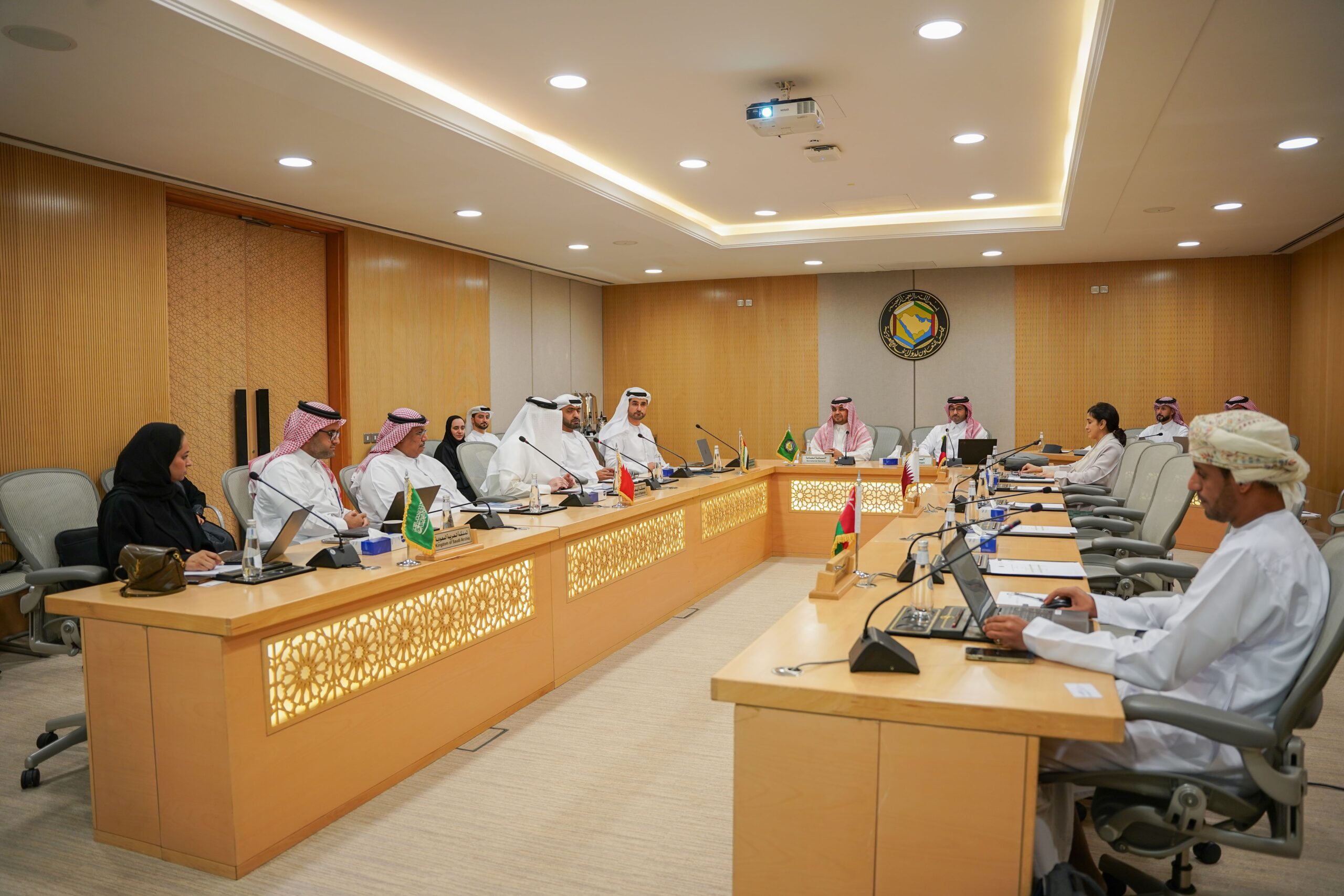
We also examine Bahrain’s increasing influence in global space governance and research. This includes the election of Bahraini experts to senior roles within the United Nations Office for Outer Space Affairs (UNOOSA) and the Kingdom’s contributions to the Arab Satellite 813 project. From developing AI-enabled maritime surveillance to contributing to international lunar rover missions, Bahrain is carving out a specialized niche in high-utility, small-satellite technology and advanced data analytics.
At Spacetech in Gulf, we provide a comprehensive look at how Bahrain is leveraging space science to address terrestrial challenges like climate change and food security. By bridging the gap between academic research and industrial application, the Kingdom is proving that strategic focus and national determination can turn the “Sky of Bahrain” into a gateway for regional technological leadership.