


Advisor to the President of the University of Sharjah,
Director of the Sharjah Academy for Astronomy, Space Sciences, and Technology (SAASST),
President of the Arab Union for Astronomy & Space Science (AUASS)
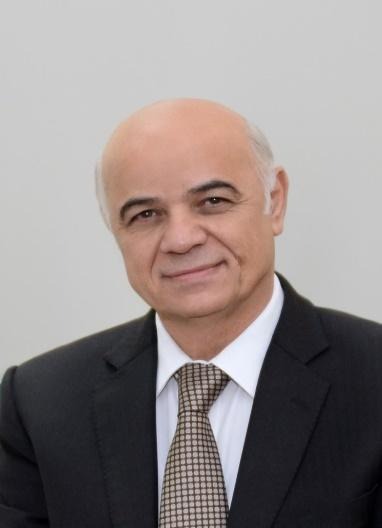
Professor Hamid M.K. Al Naimiy is a renowned scientist and researcher in the fields of astronomy and space sciences and a prominent leader in education. He is the Director General and Founder of the Sharjah Academy for Astronomy, Space Sciences, and Technology (SAASST), and President of the Arab Union for Astronomy and Space Sciences (AUASS). He received a BSc in Physics from the University of Baghdad, followed by an MS in Astronomy and a PhD in Astrophysics from the University of Manchester in the U.K. He is the founder of seven (7) observatories and space centers in various countries, such as Iraq, Jordan, and the United Arab Emirates, including SAASST. In addition to his current positions, he has held numerous senior-level administrative positions, such as UOS Chancellor (2014-2025) and UOS Vice Chancellor for Academic Affairs (2010-2014), Dean of the Institute of Astronomy and Space Science at Al al-Bayt University (IASS) in Jordan (1994-2001), and Chairman of the Physics Department at UAE University (UAEU), (2001-2006).
He is widely recognized on a global scale for his significant contributions to the fields of applied physics, astronomy, and space sciences. He has imparted extensive knowledge by teaching a variety of undergraduate and graduate courses and supervising over 50 MSc and PhD theses. He has conducted groundbreaking research into the correlation between Quranic verses and scientific discoveries in the fields of astronomy and space sciences. He has authored more than 40 books in the fields of astronomy, space sciences, and education, published over 1000 scientific articles in newspapers, magazines, and published over 130 papers in high tier journals. He has served as the chief/associate editor for over 8 journals and edited numerous books. Additionally, he has delivered keynote speeches at more than 300 national and international conferences, symposia, and workshops, including the esteemed International Astronomical Union (IAU) conference. He has also played a significant role in organizing more than 100 conferences and workshops at the national, regional, and international levels. Professor Al Naimiy’s exceptional contributions to the field of higher education, astronomy, and space sciences have earned him numerous prestigious awards, such as the NASA Plaque for Coordinator of the International Heliophysical Year (IHY 2007), the Khalifa Award for Education(UAE) 2009/2010, and the 2009 IAU/UNESCO Award for Outstanding Contribution to the Success of the International Year of Astronomy.
What was the original vision behind the founding of SAASST, and how has it evolved since 2015?
The Sharjah Academy for Astronomy, Space Sciences, and Technology (SAASST) was founded and inaugurated in 2015 under the vision of His Highness Sheikh Dr. Sultan bin Muhammad Al Qasimi, Ruler of Sharjah, to serve as a specialized research center dedicated to astronomy and space sciences. Its mission has been to advance scientific research, education, and public awareness while supporting space science development locally and regionally. Since then, SAASST has grown into a unique academic and research hub, expanding its facilities to include observatories, a planetarium, and advanced laboratories. It has launched major projects such as Sharjah-Sat-1, provided specialized training, and attracted both local and international researchers and students, solidifying its role as a leading institution in the Arab world’s space ecosystem.
How does SAASST position itself within the broader space ecosystem of the UAE and the Arab world?
SAASST positions itself as a key player in the UAE’s space ecosystem by combining education, training, and advanced research in astronomy and space sciences, complementing the efforts of national space agencies and academic institutions. On a wider scale, SAASST is recognized as one of the leading institutions advancing astronomical outreach in the Arab world. All departments actively publish research in leading journals and present at international conferences, further reinforcing SAASST’s academic and scientific impact. Through active participation in local and international initiatives—and membership in global organizations such as the International Astronomical Union (IAU) and the International Astronautical Federation (IAF)—SAASST helps strengthen the UAE’s international presence and contributes to positioning the Arab region as a partner in shaping the future of the global space industry.
What are your current strategic priorities for the next 3–5 years?
SAASST’s 5 years strategy centers on strengthening applied research in astronomy and space sciences, advancing ambitious space projects, and expanding its research infrastructure with new scientific facilities to support the UAE’s space exploration goals. Also, SAASST will continue to promote public awareness through innovative programs that connect astronomy and space sciences with the nation’s cultural and civilizational identity.
What role does SAASST play in training the next generation of Emirati and regional space scientists?
SAASST prepares the next generation of Emirati and regional space scientists through academic programs, internships, and hands-on research. Its educational initiatives and space projects equip students with the skills needed to advance space science and technology.
Can you share more about the CubeSat training program and student involvement in SHARJAH-SAT-1?
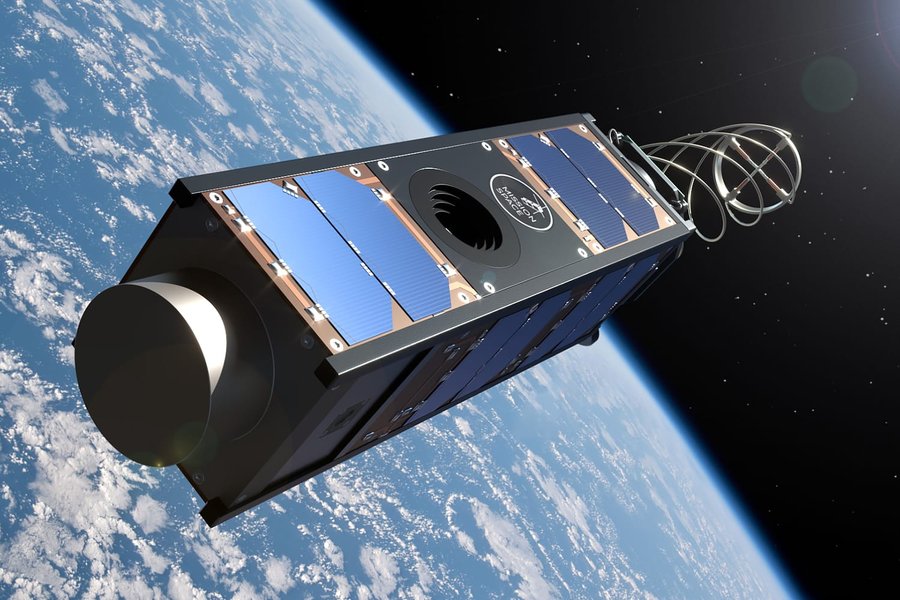
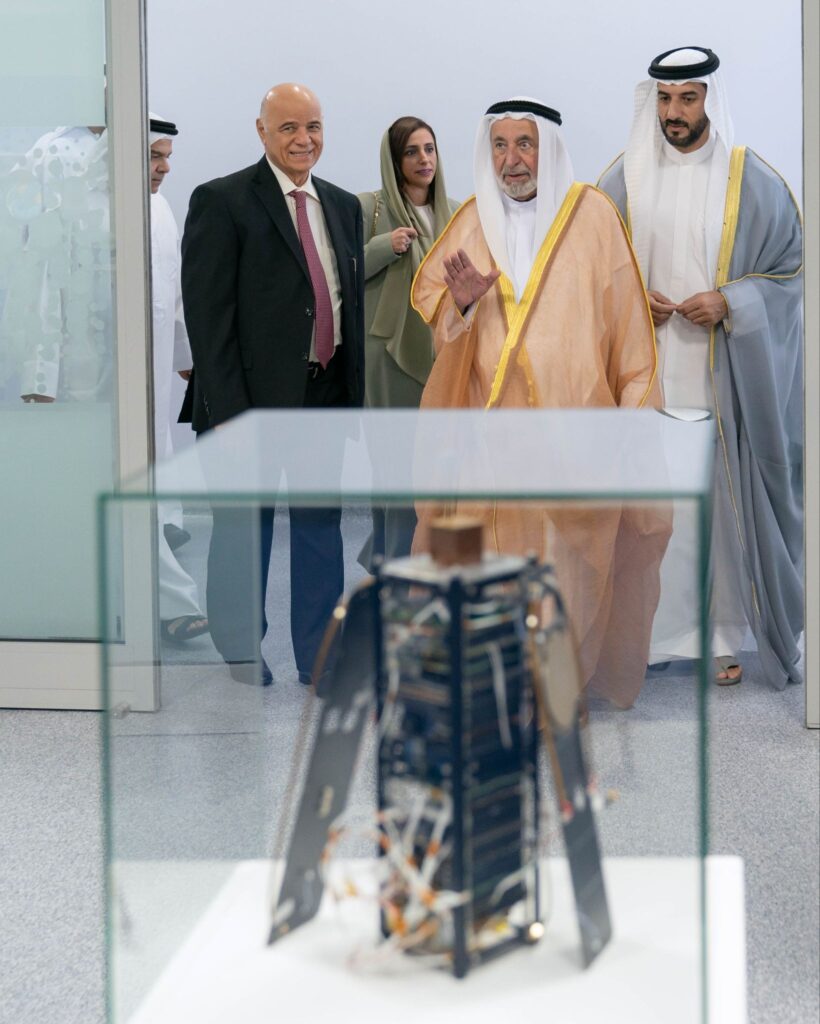
As part of the Sharjah-Sat-1 project, SAASST and its partners organized a six-week CubeSat training workshop to build student expertise in satellite design and mission development. The program introduced participants to key CubeSat subsystems and included hands-on sessions with Arduino kits, enabling students to simulate basic satellite functions in an engaging way. Students from the Colleges of Engineering and Sciences at the University of Sharjah gained both theoretical knowledge and practical skills through this initiative. This training reflects SAASST’s broader mission of capacity building in space sciences.
Are there plans to expand academic offerings, such as degrees in Space Law, Aerospace Engineering, or GIS/Remote Sensing?
There are plans to expand academic offerings in alignment with the Academy’s vision to support the development of the space sector in the UAE and the region. In collaboration with the University of Sharjah, SAASST is keen to offer advanced academic programs in specialized fields such as Aerospace Engineering, Space Law, Geographic Information Systems (GIS), and Remote Sensing. As part of this academic expansion, SAASST has recently launched two new programs, the Master of Science in Astronomy and Space Sciences and the Doctor of Philosophy (Ph.D.) in Space Science and Technology, in line with its commitment to preparing a new generation of experts capable of advancing the UAE’s ambitions in the space sector.
Which research projects or discoveries at SAASST are you most proud of?
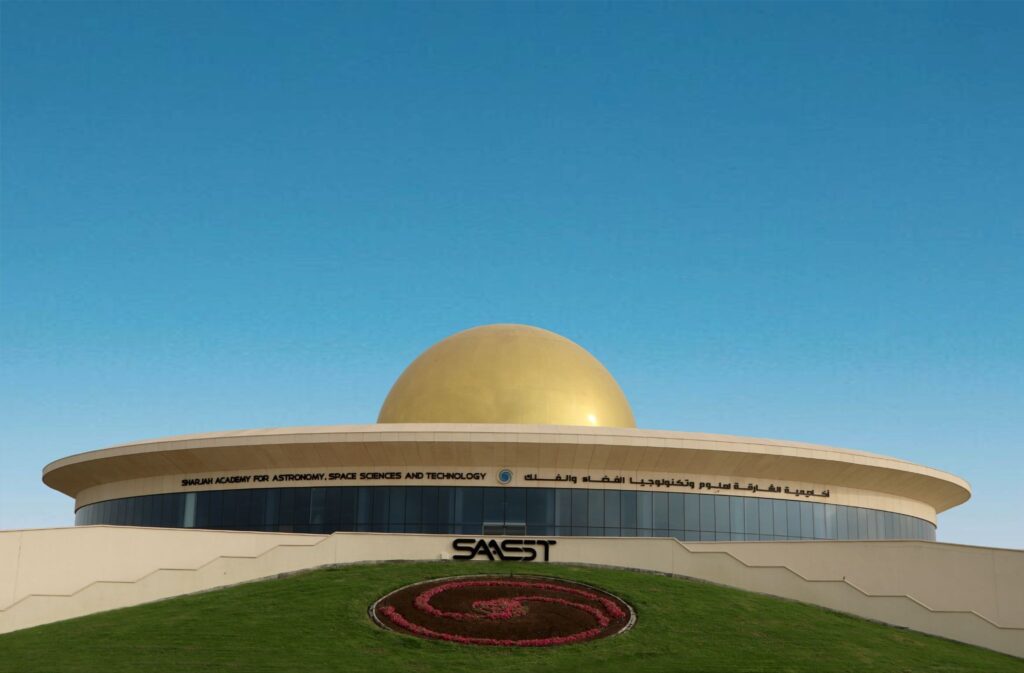
SAASST takes pride in several landmark achievements that showcase its growing impact in space science and technology. The Sharjah Planetarium has become a beacon of scientific outreach, inspiring thousands of students and visitors through immersive shows and films that explore the universe. The Sharjah Astronomical Optical and Radio Observatories, advance research with precise observations of celestial phenomena and foster public awareness and youth engagement in astronomy.
Looking to the future, the Al Qasimi Astronomical Observatory will combine high-end optical and radio facilities across two sites: Jabal Al Kitab, dedicated to time-domain astronomy and advanced training, and Al Madam, home to a radio array for studying hydrogen emissions and solar activity. Together, these facilities aim to position the UAE at the forefront of global astronomical discovery. Another milestone is SharjahSat-1, the Academy’s first CubeSat mission developed with local and international partners. Focused on studying cosmic X-rays, this satellite represents a major step toward building national expertise and capacity for future space missions.
How is the High-Energy Astrophysics Lab contributing to global understanding of phenomena like neutron stars or black holes?
The High-Energy Astrophysics Lab advances global understanding of neutron stars and black holes by analyzing X-ray data from observatories such as XMM-Newton, Swift, and NuSTAR. Its research focuses on compact binary systems and the high-energy radiation they emit. Using hydrodynamic simulations to model accretion processes and Bayesian statistical methods to refine interpretations, the lab explores conditions that are otherwise impossible to observe directly. By combining data analysis, simulations, and methodological development, the lab contributes valuable insights into high-energy cosmic phenomena.
Can you elaborate on the current work and initiatives of the Space Artificial Intelligence Laboratory (SAIL)?
The Space Artificial Intelligence Laboratory (SAIL) is dedicated to developing AI-powered tools that address real challenges in astronomy and space applications. Using in-house data from SAASST’s advanced instruments and open-source datasets from satellites and space-based telescopes, we design algorithms for detection, classification, and prediction. Current projects include meteorite detection using neural networks and drones, as well as automatic meteor detection from the UAE Meteor Monitoring Network. We have also developed a real-time radio solar flare alert system and AI models for oil spill detection using satellite imagery.
How do your observatories and the planetarium support both scientific research and public education?
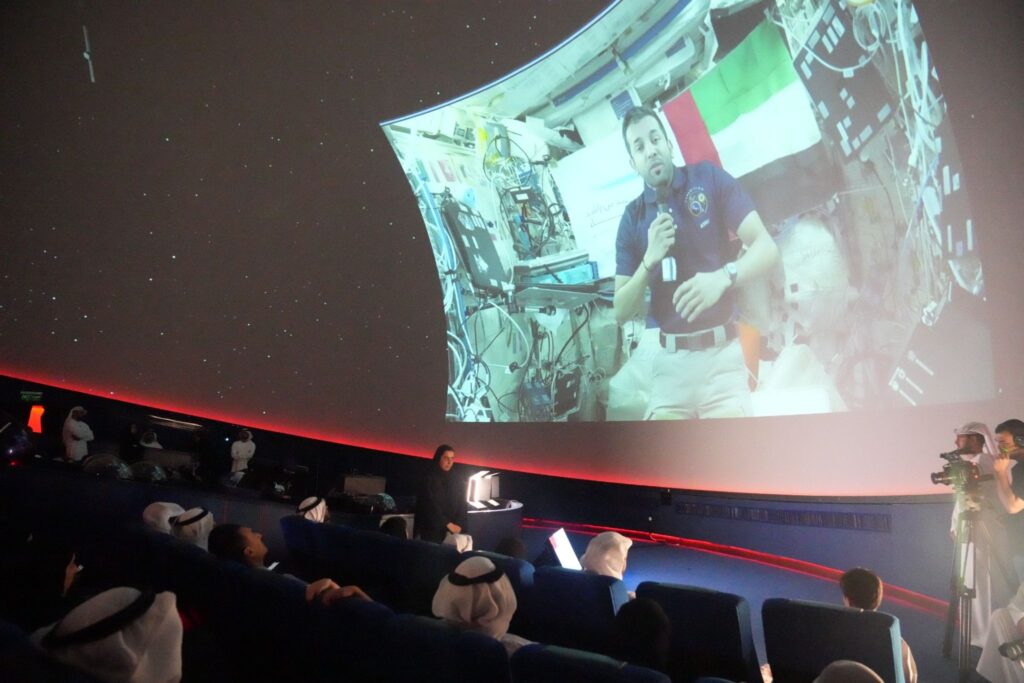
The Sharjah Astronomical Observatory and the Sharjah Astronomical Planetarium Department serve as both scientific and educational hubs. The planetarium promotes public engagement in astronomy and space sciences through immersive shows, interactive exhibits, hands-on workshops, and internship program. Designed as the largest in the region, it welcomes thousands of visitors annually, offering unforgettable experiences supported by advanced projection and audiovisual technologies. The optical observatory complements this mission by combining outreach with research. Its monthly Open Day invites the public to explore the Moon, planets, and stars through powerful telescopes, guided by expert explanations. Also, the observatory conducts ongoing studies on the Sun, planets, and asteroids, and contributing to the important task of monthly lunar crescent observations.
What capabilities does your space weather and ionosphere lab offer that are unique in the Gulf region?
The Space Weather and Ionosphere Laboratory offers capabilities unique to the Gulf region, focusing on how space weather impacts the ionosphere and, in turn, satellite communication and navigation systems. Using a multi-instrument approach, including the PolaRx5S GNSS receiver to measure total electron content and the Canadian Advanced Digital Ionosonde (CADI) to profile electron density, the lab captures both short-term disturbances and long-term variability. By integrating these observations with physics-based models, the lab provides critical insights into ionospheric responses to solar flares, geomagnetic storms, and other space weather phenomena, supporting research and the resilience of regional space-based technologies.
As a member of the IAF, how does SAASST contribute to international dialogue on space policy and science?
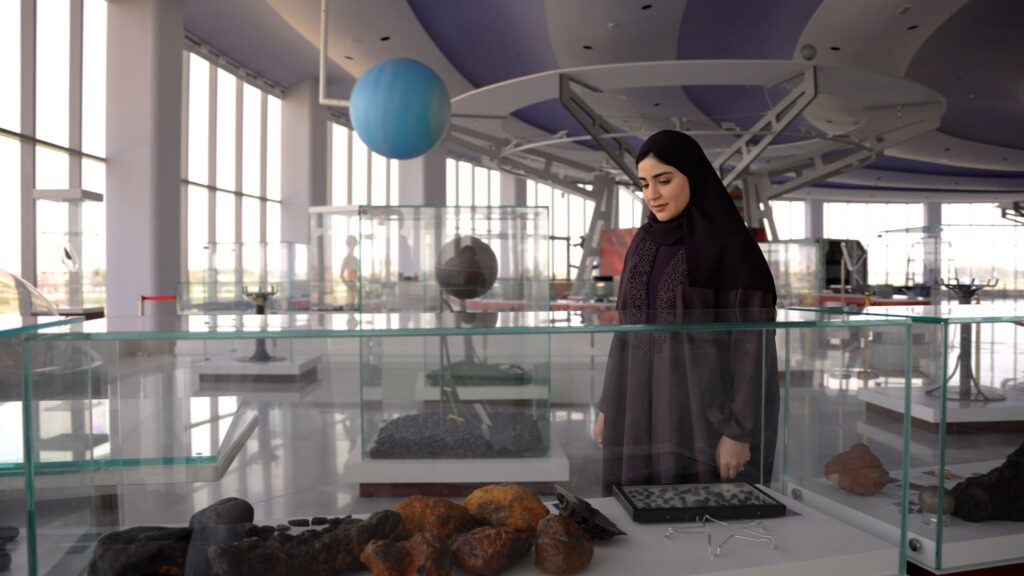
Since 2022, SAASST has been an active member of the IAF, reinforcing its role on the global stage of space science. For nearly a decade, it has contributed to the International Astronautical Congress (IAC), presenting research on CubeSats, meteorites, space situational awareness, orbital debris, high-energy astrophysics, and AI applications in space and Earth observation. This strong engagement has enhanced the Academy’s international visibility, highlighted by the IAF Diversity Supporter Award at the 2024 IAC in Milan.
What impact have public programs like “Under a Wide Sky” and the exoplanet workshops had on community interest in space science?
Since 2022, SAASST has been an active member of the IAF, reinforcing its role on the globa“Under a Wide Sky” raised awareness about the important issue of light pollution and its effects on astronomical observations. The program featured engaging demonstrations and a special Planetarium show, successfully bringing the topic to the wider community. “Exploring Exoplanets” was an interactive, hands-on workshop where students explored different methods of detecting planets orbiting other stars. They also built a simple light detector to record the light curve of a simulated planetary system, gaining practical insight into exoplanet exploration.l stage of space science. For nearly a decade, it has contributed to the International Astronautical Congress (IAC), presenting research on CubeSats, meteorites, space situational awareness, orbital debris, high-energy astrophysics, and AI applications in space and Earth observation. This strong engagement has enhanced the Academy’s international visibility, highlighted by the IAF Diversity Supporter Award at the 2024 IAC in Milan.
You can find more interviews and articles on the UAE space ecosystem in our latest magazine.