


Space Infrastructure
The Space Infrastructure section of Spacetech in Gulf tracks the physical and digital foundations that enable the GCC’s ascent as a global space power. Beyond the glamour of orbital launches, the true measure of a “space-faring nation” lies in its ability to build, maintain, and secure the terrestrial and orbital architecture required for sustained operations. From advanced Assembly, Integration, and Testing (AIT) facilities to sovereign ground stations and emerging spaceports, this section covers the “bricks and mortar” of the Middle East’s space economy.
We closely monitor the development of localized manufacturing hubs. Our reporting also extends to the ground segment, highlighting milestones like the inauguration of Bahrain’s national ground station and Oman’s “infrastructure-first” approach, including the development of dedicated. These facilities provide the critical Command, Telemetry, and Control (TT&C) capabilities necessary for regional autonomy in a congested orbital environment.
The scope of infrastructure is also expanding into the digital and deep-space domains. We examine the rise of “space-based data centers” and software-defined ground stations that utilize cloud-native gateways to bridge the gap between orbital assets and terrestrial 5G/6G networks.
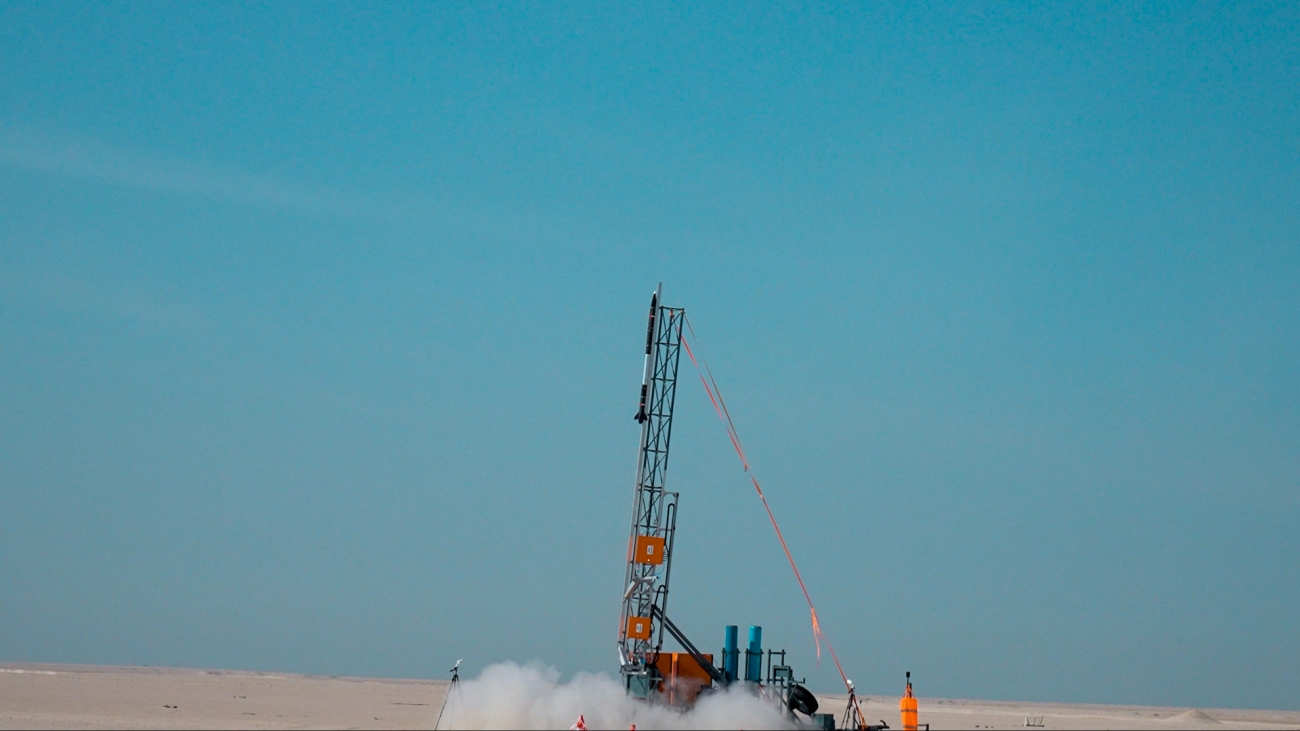
At Spacetech in Gulf, we treat infrastructure as the strategic bedrock of the sector. Whether it is the construction of suborbital launch sites in the Omani desert or the deployment of high-performance AI compute clusters for satellite data processing, this section provides an essential look at the systems that ensure the GCC’s space ambitions are built on a foundation of resilience, sovereignty, and technical excellence.