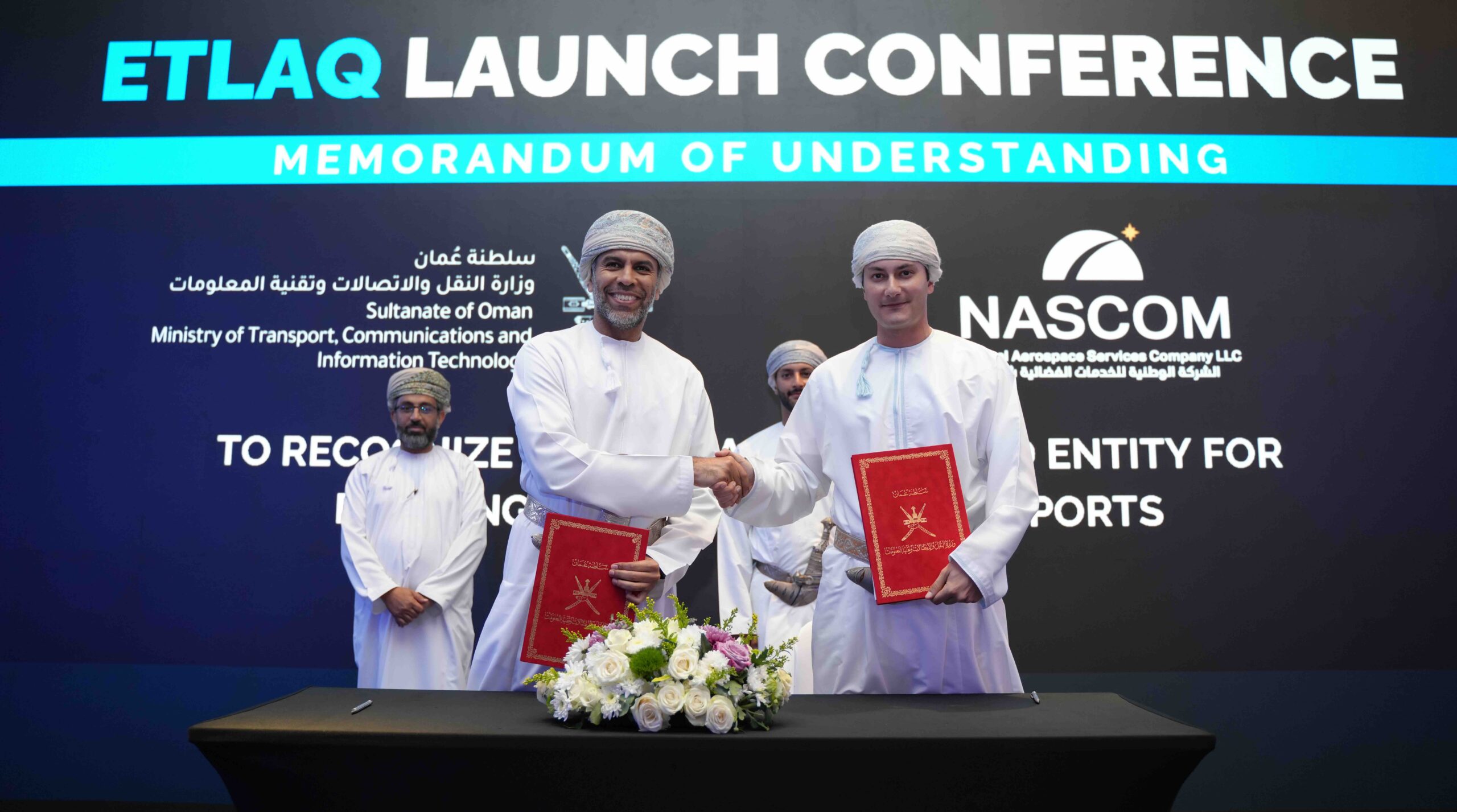



On 4 October 2026, SpaceTech in Gulf organised the Oman Space Conference 2026 in Muscat, bringing together representatives from government, industry, academia, startups and international organisations to discuss the development of Oman’s space sector.
The programme focused on several areas that are becoming increasingly important for Oman: Earth Observation, space localisation, connectivity, policy and international cooperation, as well as the development of space-enabled solutions for national priorities.
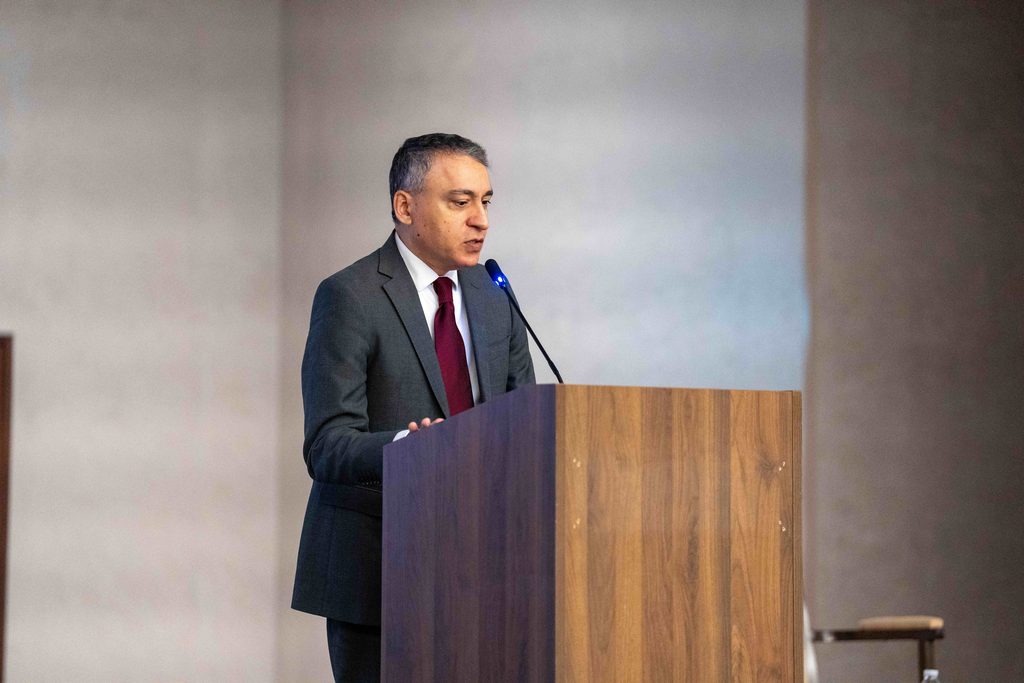
Ambassador of France
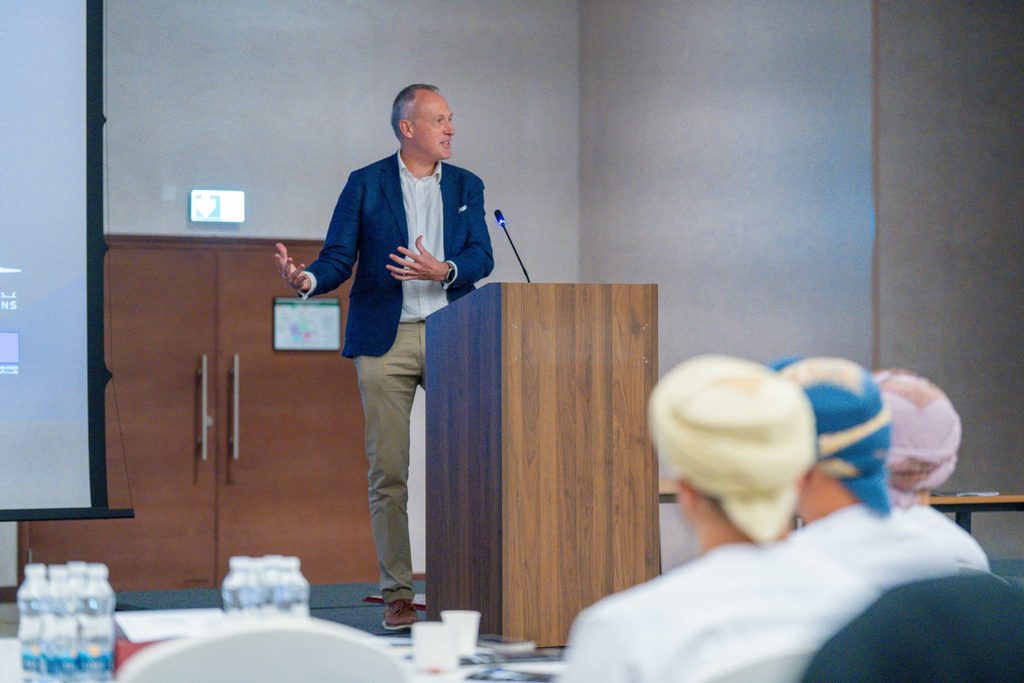
Al Rawahi,
General Manager at MBSAT
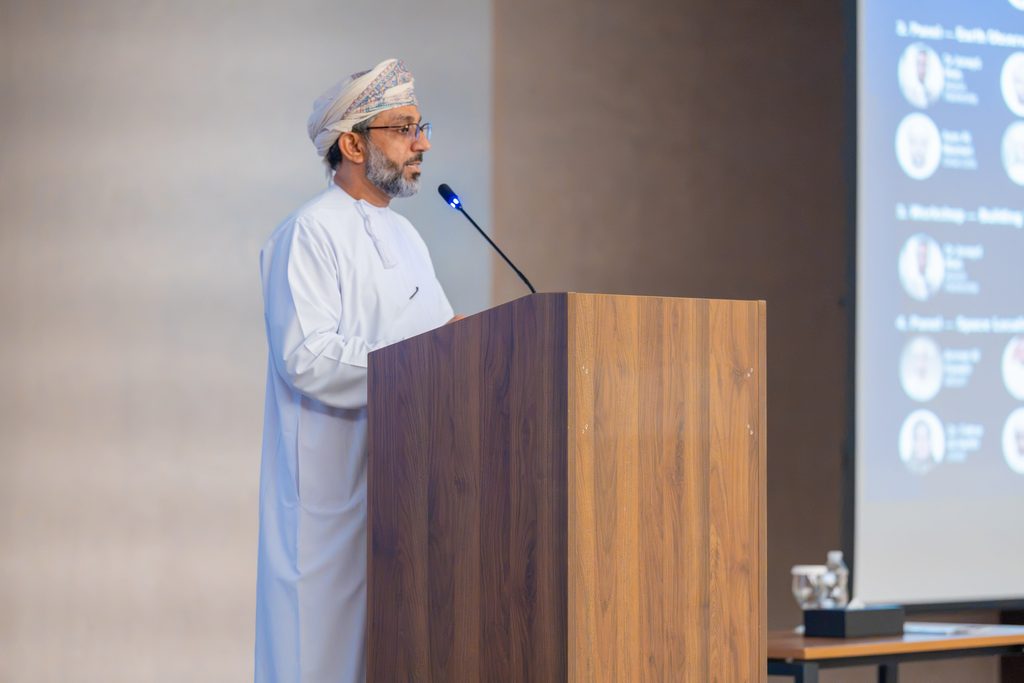
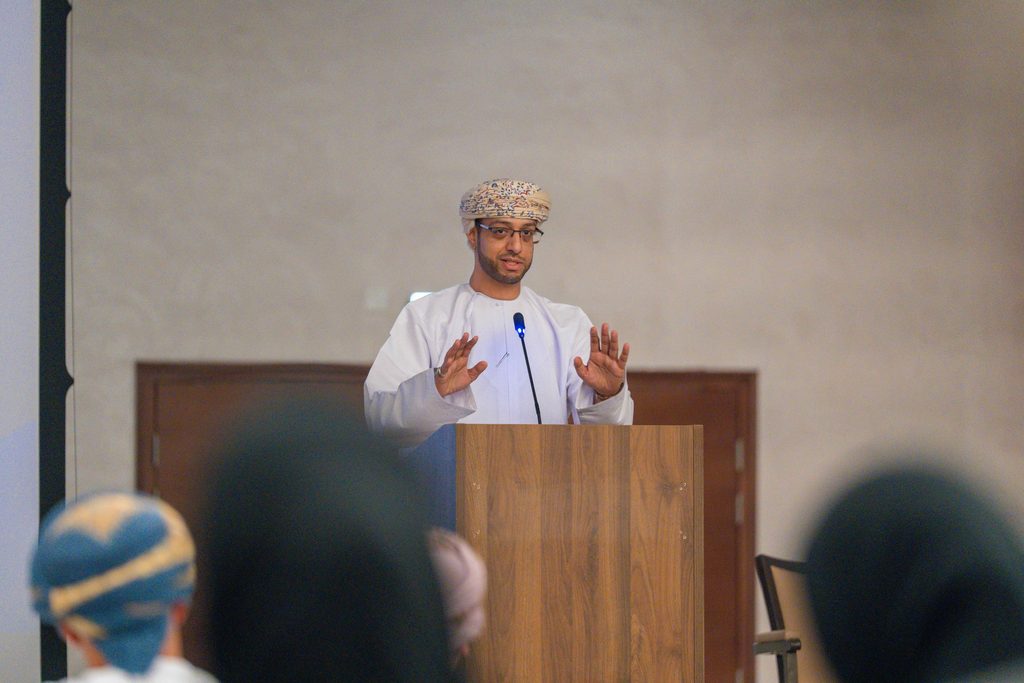
Al Shoaili,
Head of the National Space Program Ministry of Transport, Communications, and Information Technology (MTCIT)
Opening Fireside Chat with MTCIT
The conference opened with a fireside chat featuring Dr. Saoud Al Shoaili, Head of the National Space Program, MTCIT, and Andy Robb, Chief Space Officer, Access Partnership.
The discussion focused on Oman’s national space priorities and the development of the country’s space ecosystem. It also provided an opportunity to discuss how government priorities can be connected with industry capabilities, international partnerships and emerging commercial opportunities.
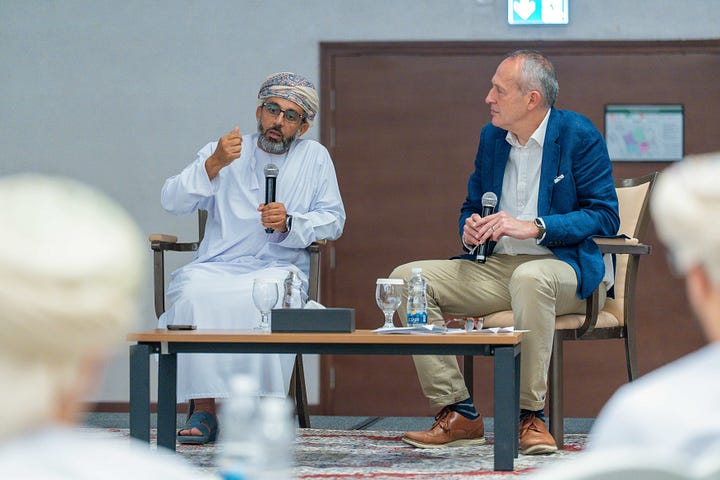
Al Shoaili,
Head of the National Space Program Ministry of Transport, Communications, and Information Technology (MTCIT) with Andy Robb, Chief Space Officer at Access Partnership.
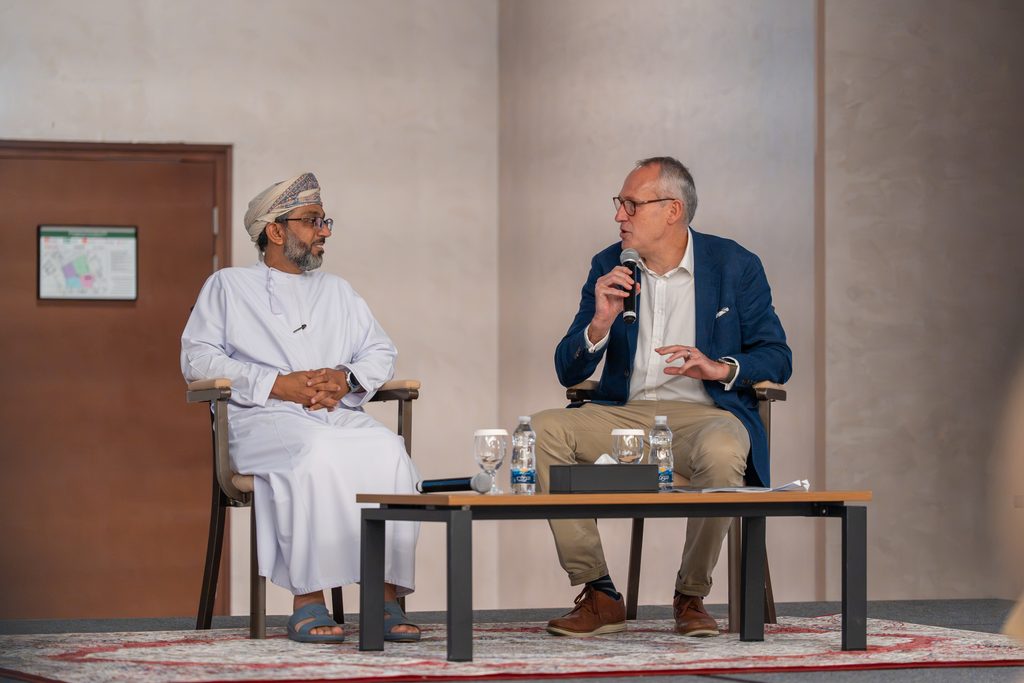
Al Shoaili,
Head of the National Space Program Ministry of Transport, Communications, and Information Technology (MTCIT) with Andy Robb, Chief Space Officer at Access Partnership.
Earth Observation Industry in Oman
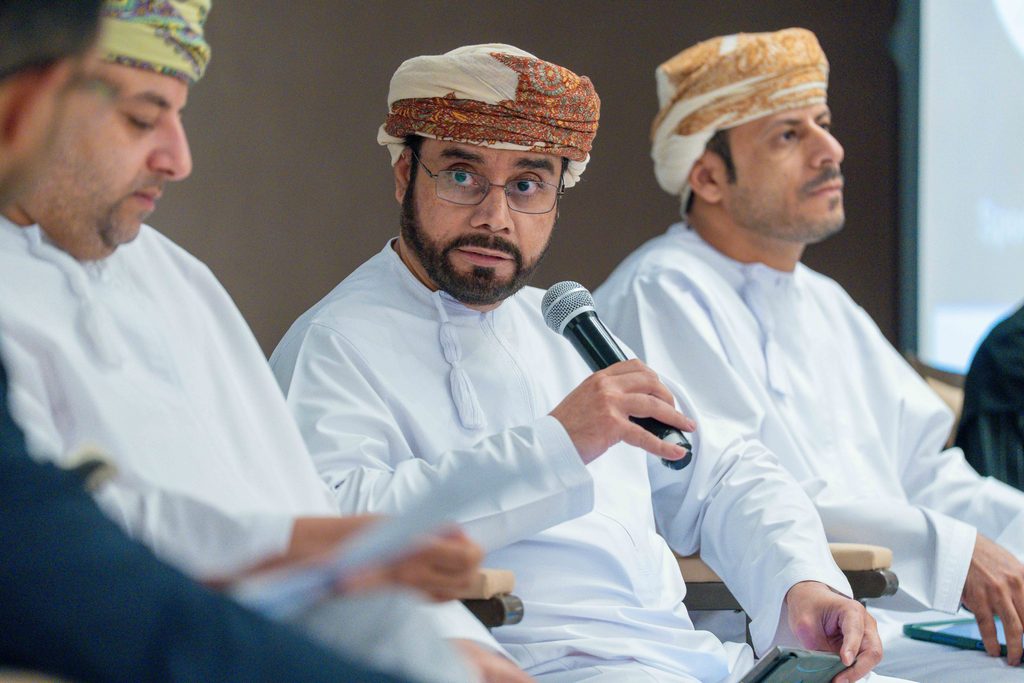
The first major panel focused on the development and application of Earth Observation technologies in Oman.
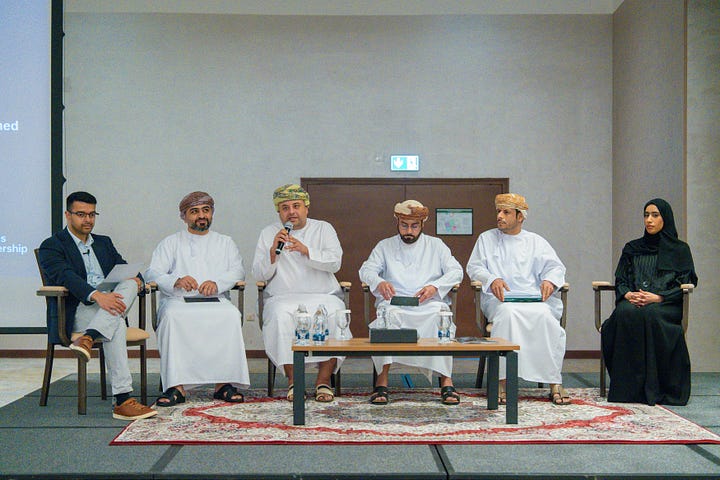
The session was moderated by Dr. Junayd Miah, Access Partnership, and included Ghayadah Al Jabri, Ankaa Space & Technologies; Abdulaziz Al Balushi, ETCO Space; Azan Al Maamari, Oman Lens; Dr. Rabie Mohammed Al Rahbi, Environment Authority; and Dr. Yaseen Ahmed Al-Mulla, Sultan Qaboos University.
The discussion looked at how satellite imagery and Earth Observation data can move beyond technology demonstrations and become practical tools for Oman.
Participants discussed environmental monitoring, agriculture, land and resource management, and other potential applications where space-based data can support decision-making. The panel also highlighted the importance of having local companies, researchers and government organisations working together to develop solutions around Oman’s specific needs.
The panel was sponsored by Oman Lens
From National Priorities to Space-Enabled Solutions
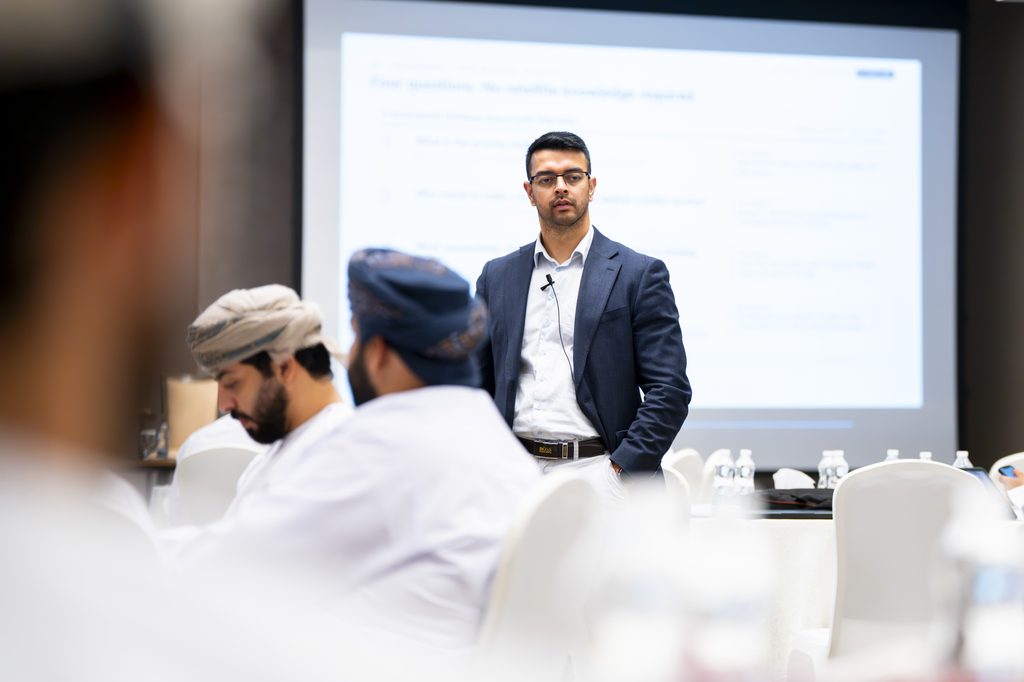
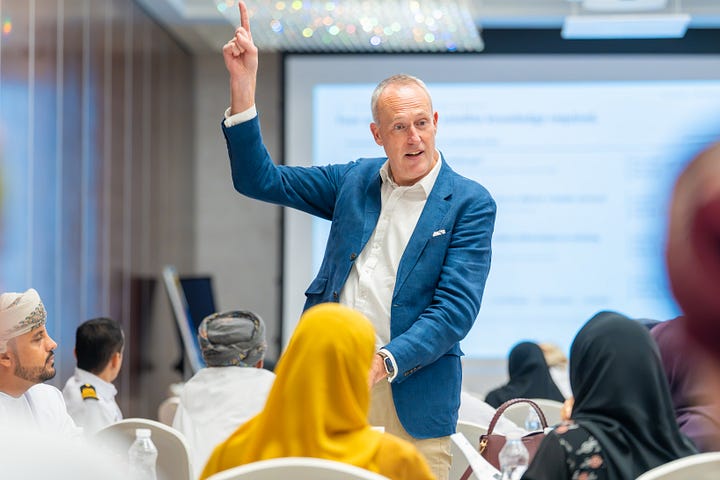
The interactive part of the programme was the Mission Challenge Workshop, led by Access Partnership.
Rather than focusing only on existing space technologies, the workshop started from a different question: what are Oman’s national challenges, and where can space technologies provide useful solutions?
The session explored how challenges identified by different sectors can be translated into concrete opportunities for Earth Observation, satellite communications and other space-enabled technologies.
This approach is particularly important for the development of the local ecosystem. Instead of looking for problems that fit existing technologies, the objective is to identify real national and commercial needs and then consider where space can provide value.
Space Localisation
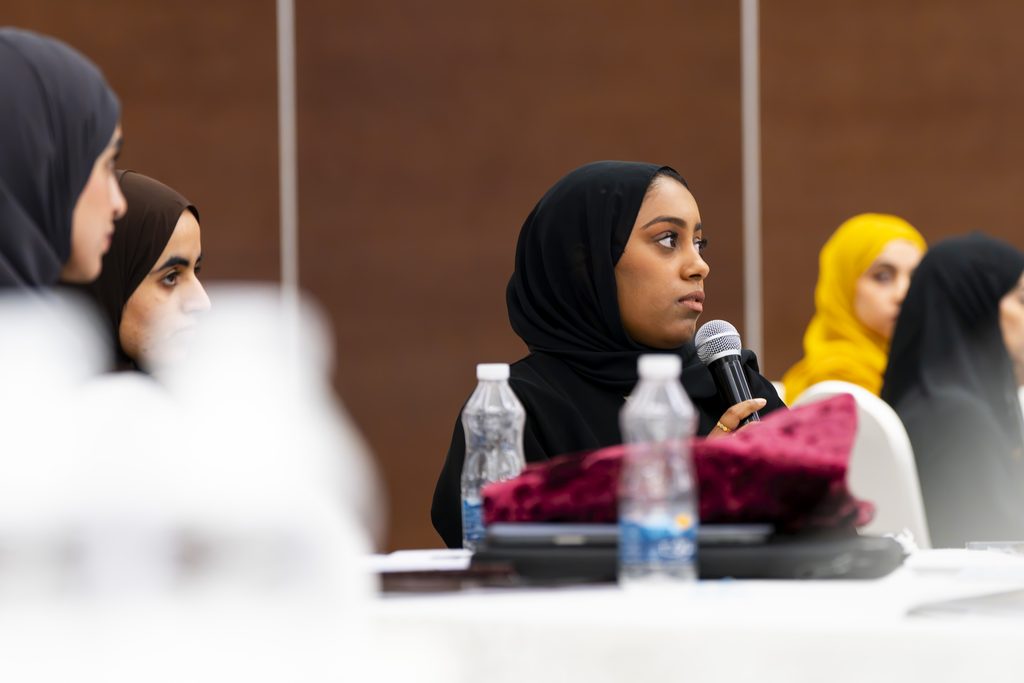
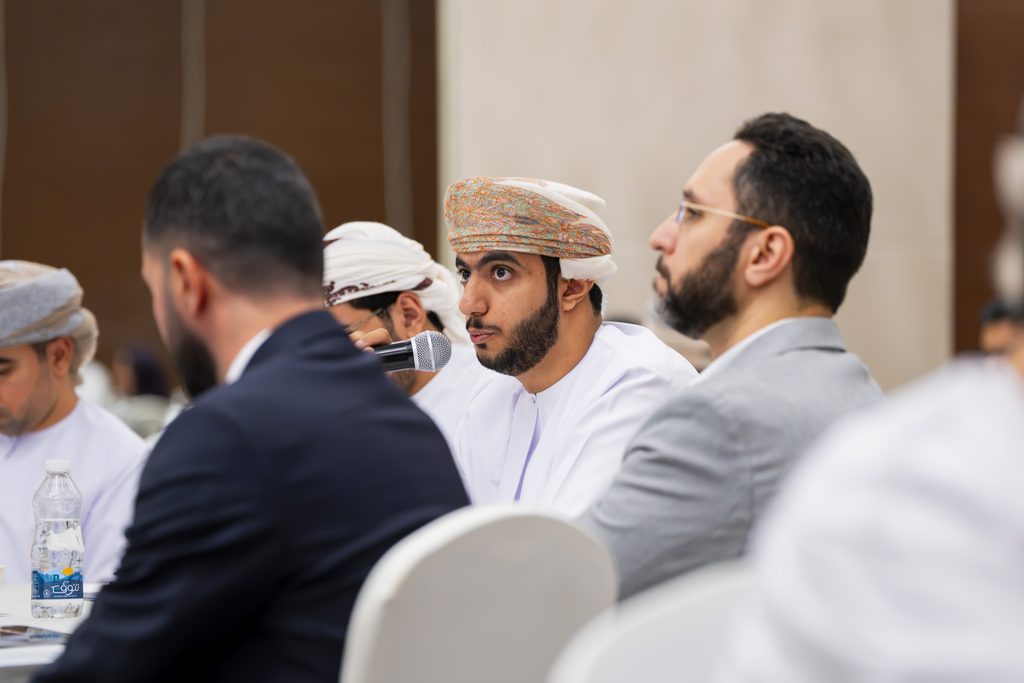
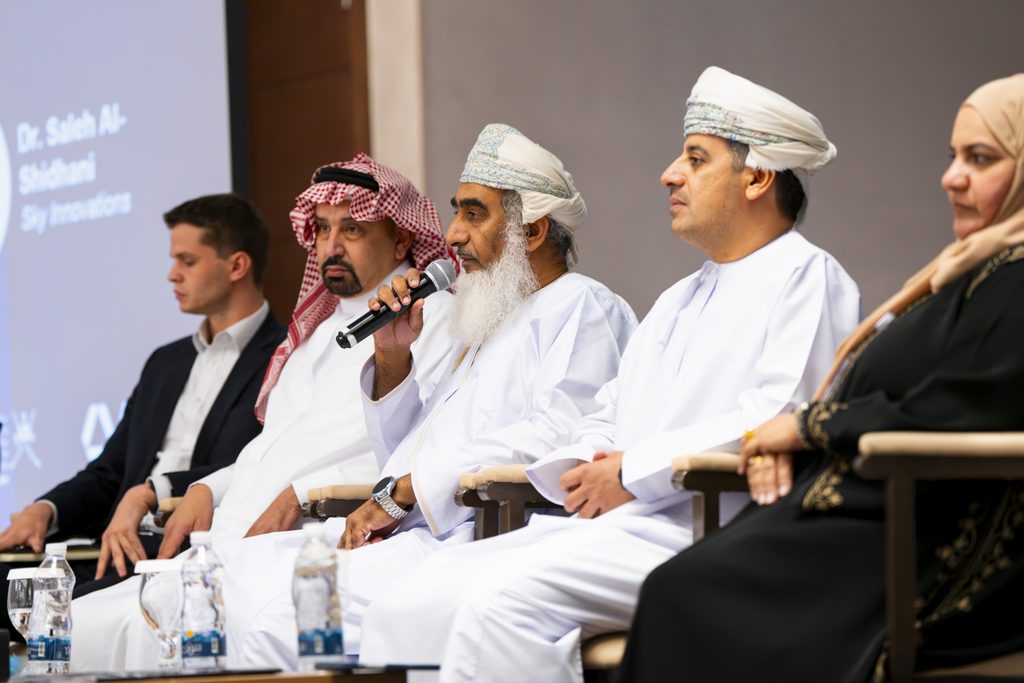
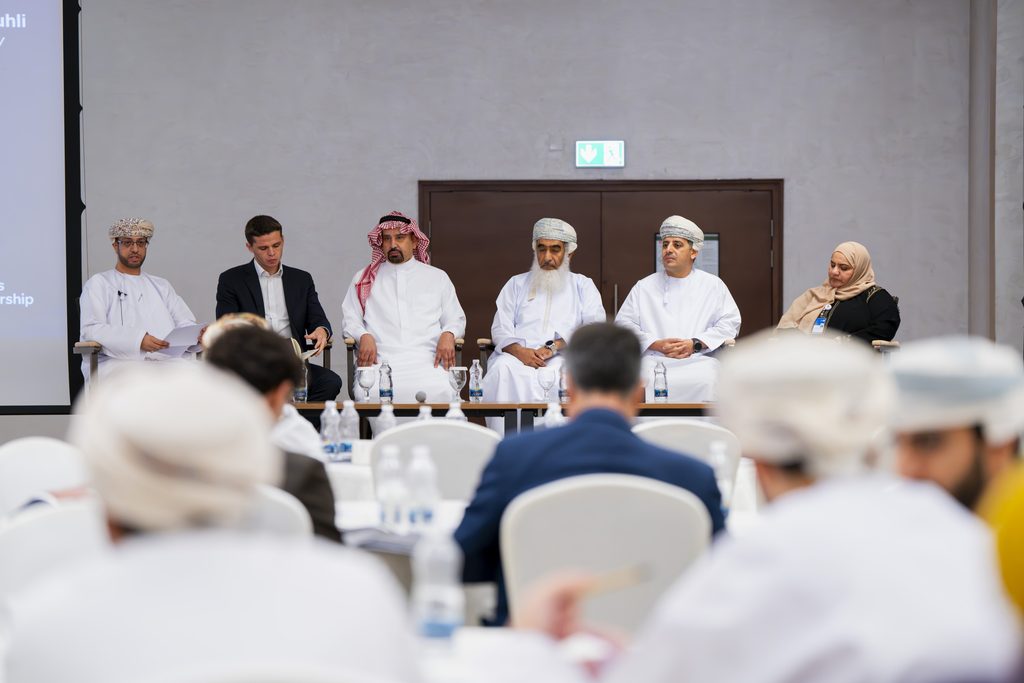
The localisation discussion focused on one of the key questions for Oman and the wider Gulf space sector: how can the country build more local capabilities and create a stronger domestic space industry?
The panel brought together Dr. Amjed Al-Thuhli, Future of Technology and Development; Ammar Al Rawahi, MBSAT; Fahad AlHussain, Nadir Space; Alex White, Latitude; Dr. Saleh Al-Shidhani, Sky Innovations; and Dr. Fatma Al-Harthi, UTAS.
The discussion covered local skills and talent, technology development, partnerships, infrastructure and the role of both local and international companies in developing the sector. A recurring theme was that localisation is not only about establishing companies locally. It also requires developing people, knowledge, supply chains, research capabilities and commercial opportunities that allow the ecosystem to grow sustainably.
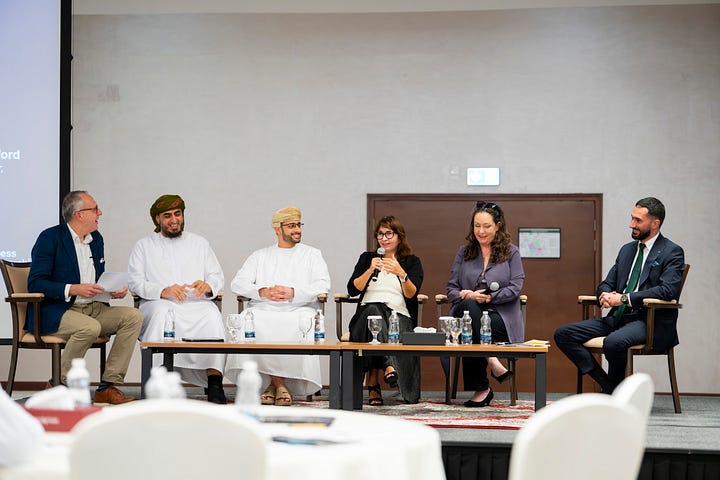
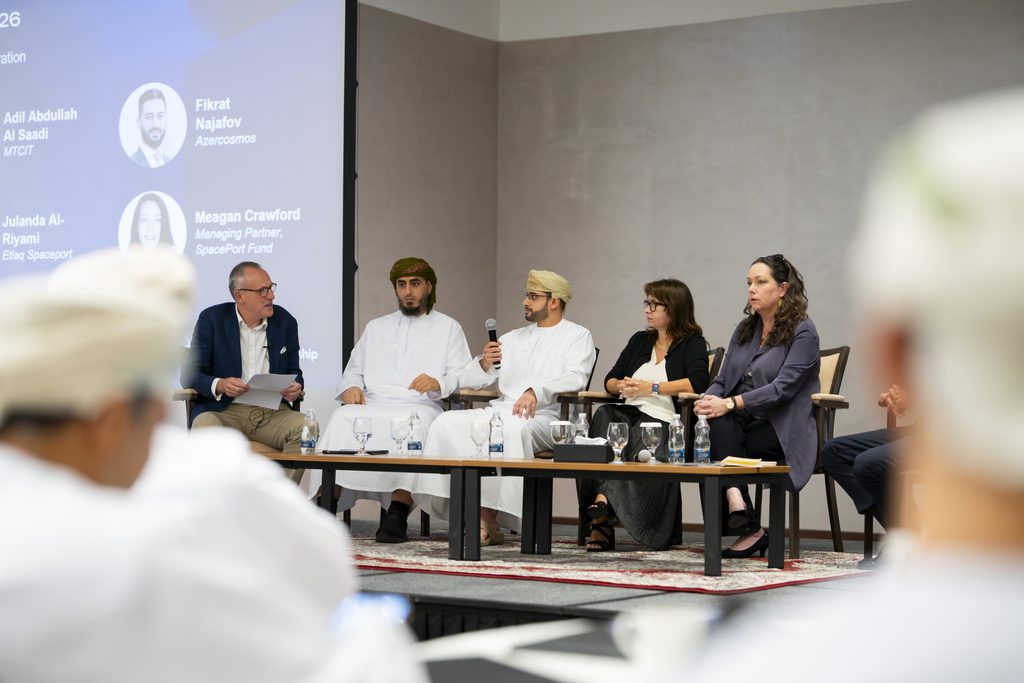
Space Policy and International Cooperation
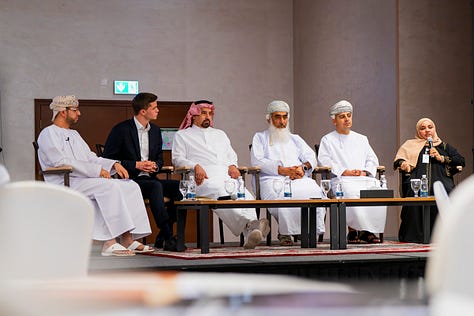
The next session looked at Oman’s position within the wider international space ecosystem.
The panel featured Adil Abdullah Al Saadi, MTCIT; Fikrat Najafov, Azercosmos; Christelle Astorg-Lepine, French Embassy; Andy Robb, Access Partnership; Meagan Crawford, SpacePort Fund; and Julanda Al-Riyami, Etlaq Spaceport.
The discussion explored the role of policy, international partnerships, investment and cooperation in supporting the development of Oman’s space sector.
Oman has an opportunity to build international connections while developing its own national capabilities. Cooperation with international organisations, companies, investors and other space nations can help accelerate access to expertise, technologies and markets. At the same time, the development of a clear and supportive policy environment remains important for attracting investment and enabling new commercial activities.
Startup Spotlights
The conference also gave space to companies developing new activities in Oman.
Ghayadah Al Jabri from Ankaa Space & Technologies shared the achievements of the Oman Space Accelerator Program, highlighting the startups supported through the programme and the growing entrepreneurial activity around space technologies in Oman.
Mohammed Al Alawi from RE&T presented the company’s work in advanced aerospace engineering and its experience developing space technology in Oman. Rocket Elements and Technologies (RE&T) is focused on the development of high-pressure turbopumps for the aerospace industry. The company has developed a proof-of-concept turbopump capable of increasing liquid hydrogen pressure to 800 bar and was awarded first place in the Oman Space Accelerator Program.
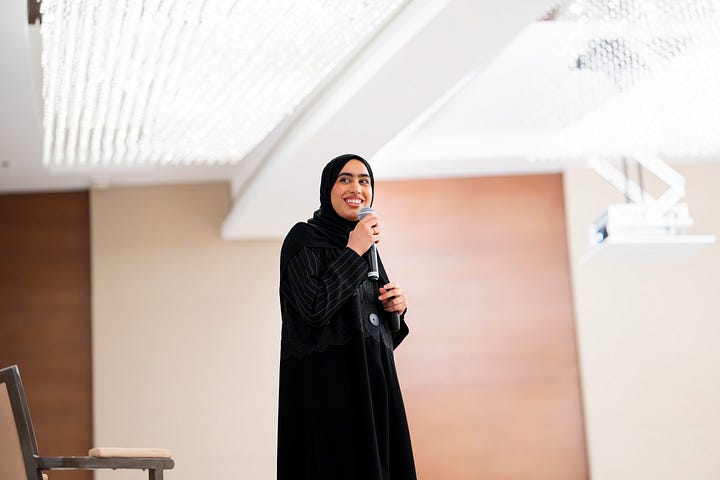
Head of Space Department at Ankaa Space & Technologies
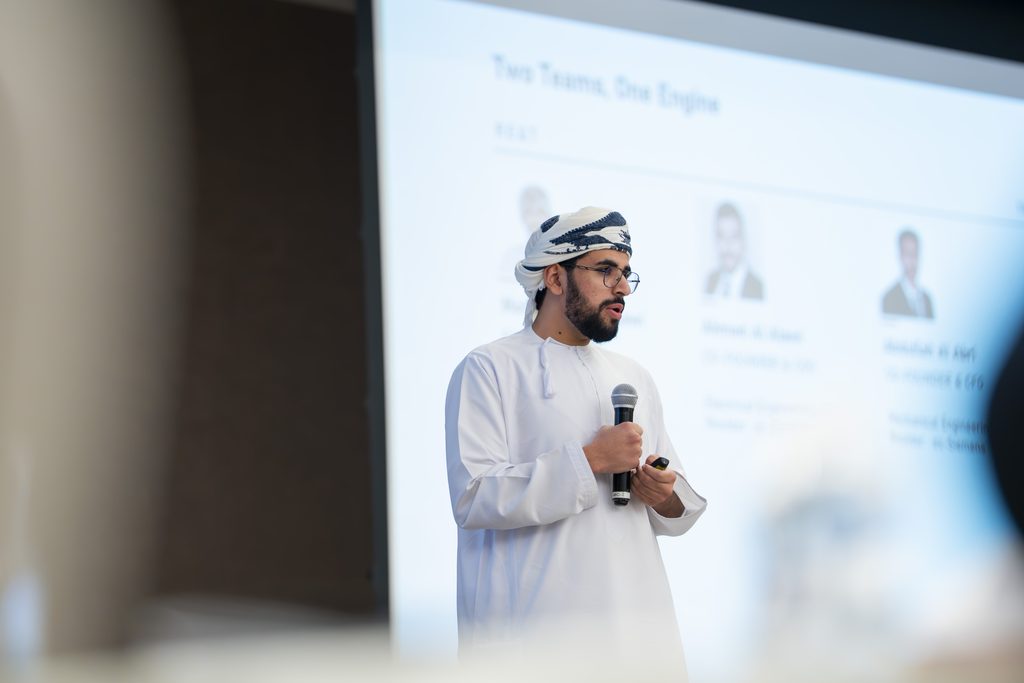
Founder and CEO of RE&T
Space Connectivity in Oman
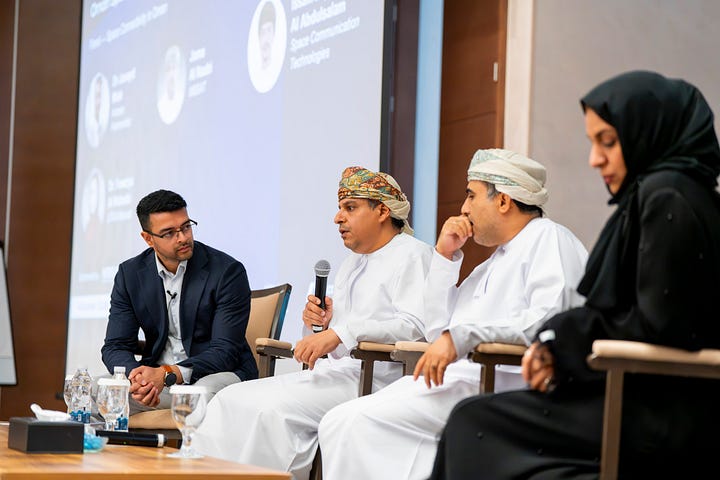
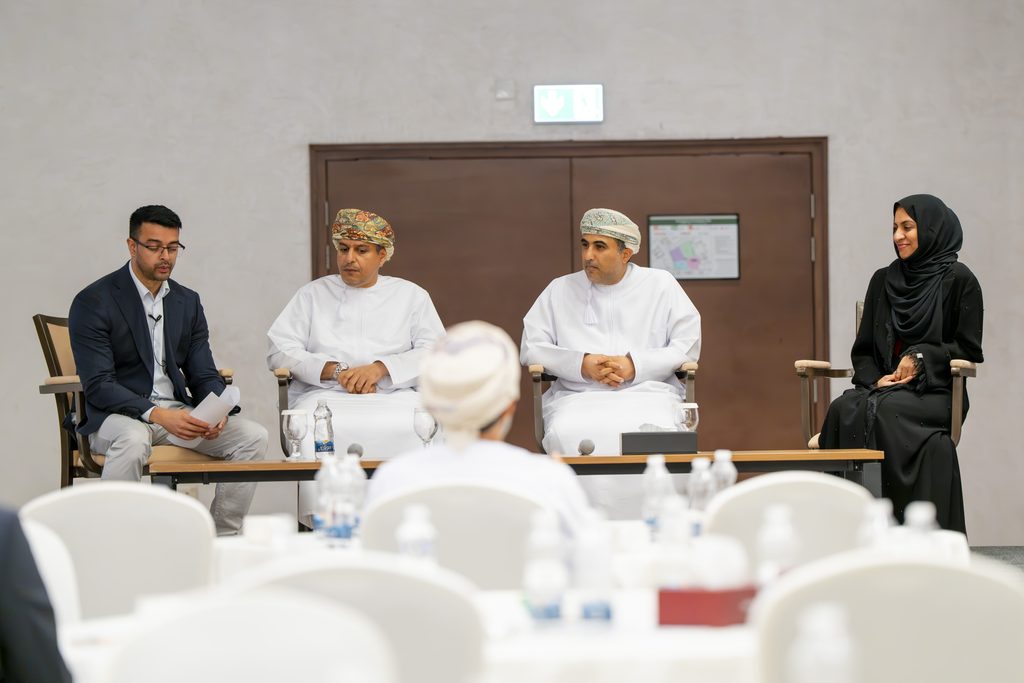
The final panel focused on satellite connectivity and its potential role in Oman.
The discussion brought together Issam Zayid Al Abdulsalam, Space Communication Technologies; Dr. Junayd Miah, Access Partnership; Juma Al Naabi, MBSAT; and Dr. Fawziya Al Wahaibi, UTAS-Muscat.
The panel explored how satellite connectivity can support communities, infrastructure and businesses across Oman, as well as the opportunities for developing new services and applications. Connectivity is particularly relevant for a country with a large geographical area and different types of communities and economic activity. Satellite systems can complement terrestrial infrastructure and provide additional options for connecting areas and sectors where traditional connectivity can be more difficult or expensive.
The panel was sponsored by MBSAT
Thank You to Our Partners
The Oman Space Conference 2026 was organised with the support of MTCIT, Access Partnership, MBSAT, Oman Lens and RE&T.
We would like to thank all our partners, speakers and participants for contributing their time, knowledge and perspectives to the event.
For SpaceTech in Gulf, this conference is an important step in our work in Oman. We hope to continue supporting the development of the local space ecosystem through research, publications, events and connections between companies and organisations in Oman and internationally.
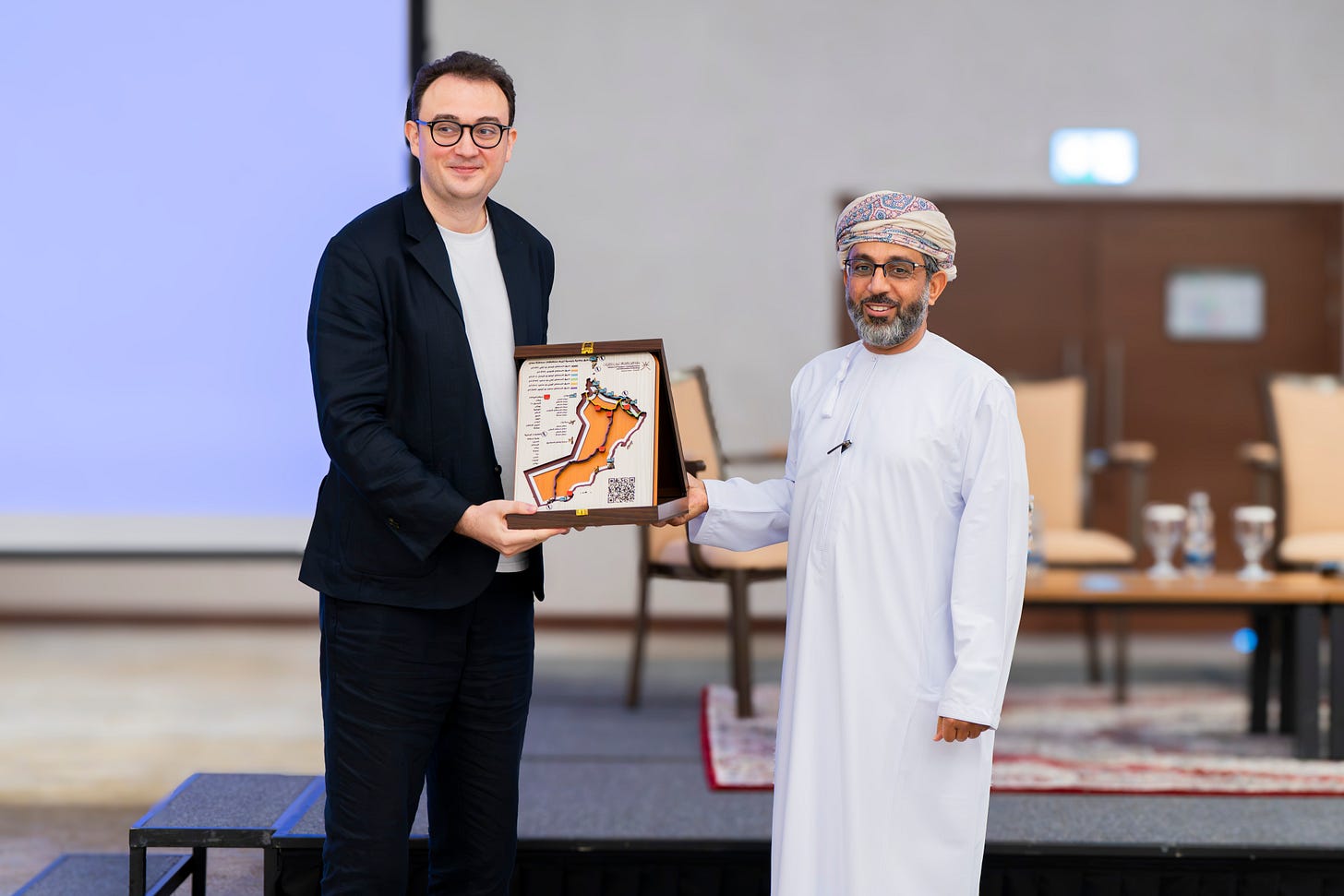
Alexis Cresniov, CEO and Founder at SpaceTech in Gulf with Dr. Saoud Humaid
Al Shoaili,
Head of the National Space Program Ministry of Transport, Communications, and Information Technology (MTCIT)
See you in Oman next year.