


The Mauritius Space Initiative was launched with the successful deployment of the country’s first nanosatellite in 2021, marking the entry of the Republic of Mauritius into the global space community. Since then, the Mauritius Research and Innovation Council (MRIC) has engaged in discussions with relevant authorities to contribute to the strengthening of national capabilities in satellite data reception, analysis, and applications for sectors such as environmental management, agriculture, fisheries, and disaster risk reduction. Building on this foundation, the Republic of Mauritius now seeks to establish a strategic platform for space and satellite applications, fostering international partnerships, developing a skilled workforce, and creating innovative solutions tailored to the needs of Small Island Developing States (SIDS).
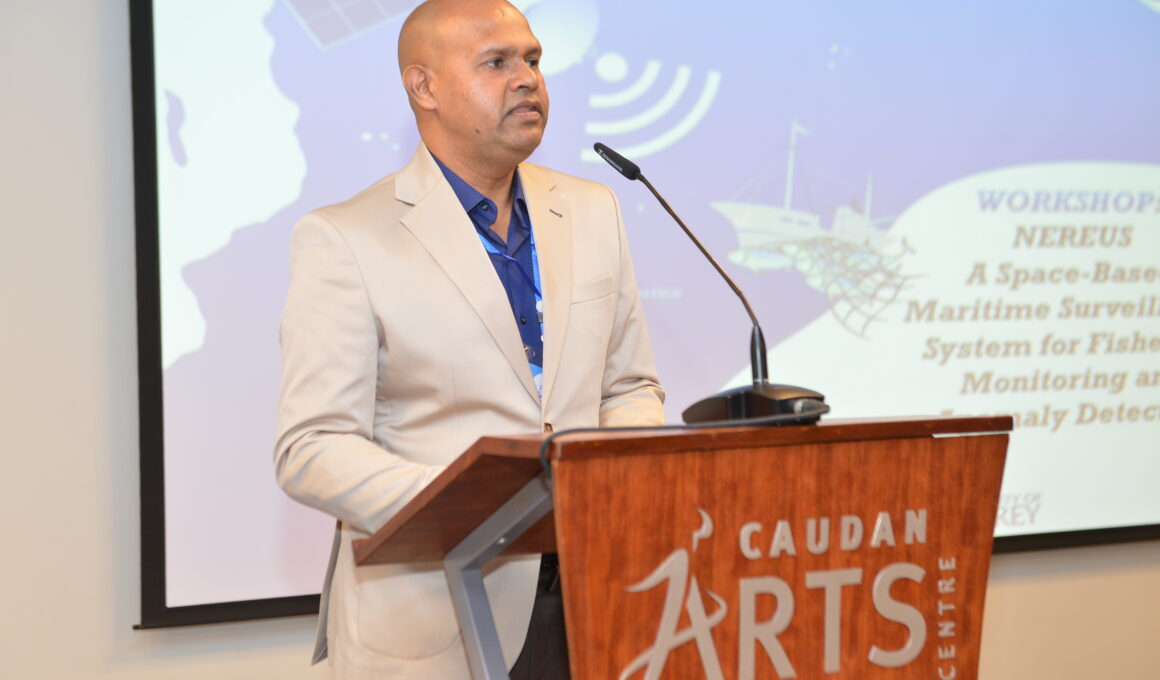
We spoke with Dr. Vickram Bissonauth, Research Coordinator at the Mauritius Research and Innovation Council (MRIC), to discuss the country’s space programme, its strategic vision, and the opportunities ahead for Mauritius and other Small Island Developing States (SIDS).
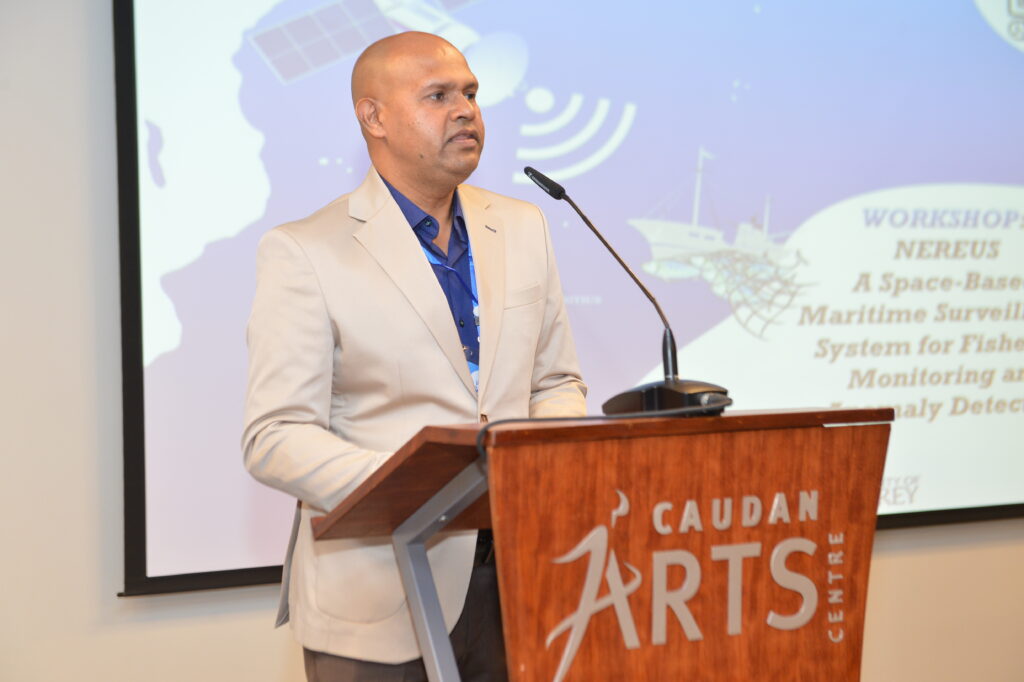
Research Coordinator at the Mauritius Research and Innovation Council
What is the long-term vision for Mauritius in space?
The long-term vision for Mauritius in space is to leverage its unique geostrategic position in the Indian Ocean by harnessing space and satellite technologies as strategic tools to advance the Government’s sustainable development priorities. We aim to build an inclusive and innovation-driven space ecosystem designed specifically to address the distinctive challenges faced by Small Island Developing States (SIDS). This ecosystem will employ cutting-edge space solutions—such as Earth Observation (EO), satellite communications, and other space-based services—to address pressing socio-economic and environmental challenges affecting Mauritius and the broader SIDS community.
Central to this vision is the empowerment of local talent and the acceleration of capacity building to develop homegrown expertise and innovation within the space sector. Furthermore, recognizing that collaboration is essential to expanding capabilities, we seek to share knowledge and access advanced technologies by forging strong international partnerships. Through these efforts, we aspire to secure a strategic role within the African and Indian Ocean space communities, positioning Mauritius as a hub for space innovation and sustainable development in the region.
Are there plans to establish a formal space agency beyond MRIC?
The Mauritius Research and Innovation Council (MRIC) currently leads the national space programme. However, there is increasing recognition of the need for a dedicated institutional framework. With the growing use of space technologies—including smaller satellites, reentry experiments, and other activities—it is crucial to establish stronger laws to protect Mauritius and its extensive Exclusive Economic Zone (EEZ). As a Small Island Developing State (SIDS), Mauritius faces significant climate change vulnerabilities, making space technology an essential tool for monitoring and resilience.
These factors highlight the potential benefits of having a centralized institution to coordinate space activities and fully leverage space capabilities for national development. While there is currently no formal plan to establish a dedicated space agency, such an institution could help centralize efforts, attract investment, and provide governance aligned with international space standards. Building local expertise and strengthening capabilities remain key priorities as the foundation for any future developments.
How does Mauritius see its role in the African and Indian Ocean space ecosystem over the next decade?
Over the next decade, Mauritius envisions itself as a strategic hub within the African and Indian Ocean space ecosystem, uniquely positioned to serve SIDS and coastal nations. Leveraging its advantageous geographic location at the crossroads of major maritime routes, advanced ICT infrastructure, favorable business environment, and diplomatic neutrality, Mauritius aims to facilitate and strengthen regional data-sharing and technology exchange networks. These efforts will be pivotal in supporting sustainable development, climate resilience, and socio-economic growth across the region.
Mauritius is committed to supporting capacity-building initiatives that empower regional stakeholders, foster innovation, and develop homegrown expertise in space technologies. By strengthening early warning systems and improving environmental monitoring capabilities, Mauritius seeks to enhance disaster resilience across vulnerable island and coastal communities.
Through these concerted efforts, Mauritius aims not only to elevate its own space capabilities but also to contribute meaningfully to the broader goals of sustainable development, security, and economic diversification across the region.
What are the priority domains for space investment and development — EO, communications, GNSS, or deep space?
The immediate priority areas are Earth Observation and satellite communications, particularly in support of climate resilience, maritime surveillance, and precision agriculture. GNSS and space-based positioning also hold significant potential, especially for fisheries, logistics, and urban planning. While deep space exploration is not a current focus, Mauritius remains open to international collaboration in emerging frontiers as capacity grows.

What were the main lessons learned from the MIR-SAT1 mission—technically, operationally, and diplomatically?
The MIR-SAT1 mission was a landmark achievement for Mauritius. Technically, it demonstrated that we can design, test, and operate a satellite within a global ecosystem. Operationally, it highlighted the importance of integrated project management and ground station readiness. Diplomatically, the mission fostered invaluable partnerships and raised our country’s visibility in the international space community. It was a powerful proof of concept that has since catalyzed further interest in the space sector.
Are there any follow-up satellite missions currently in design or planning?
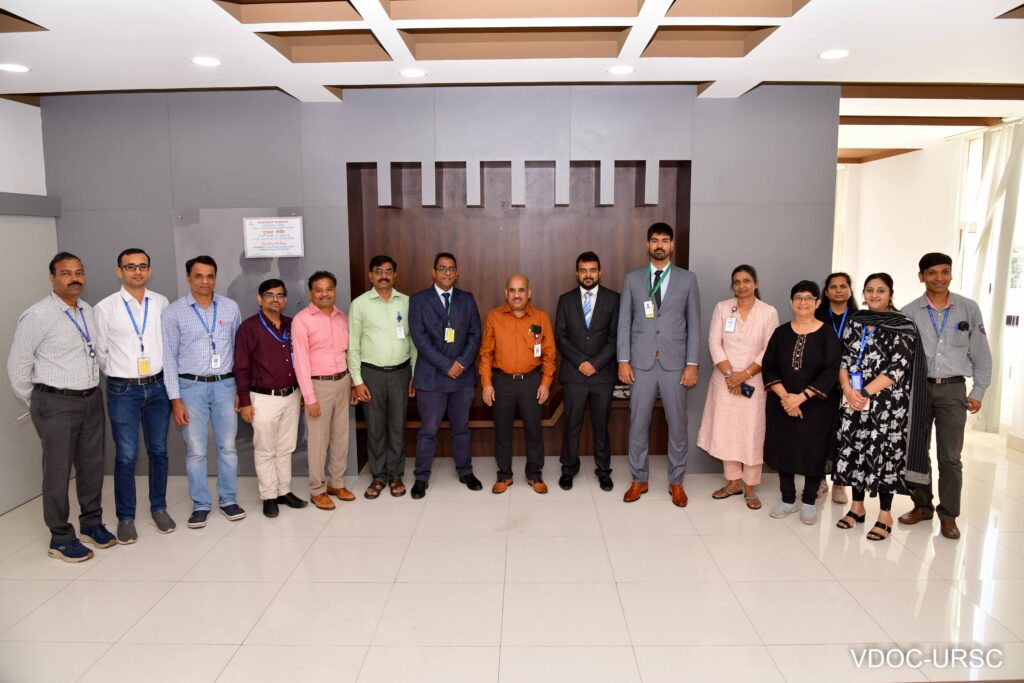
Yes. We are currently working on the India-Mauritius Joint Satellite (IMJS) mission in collaboration with the Indian Space Research Organisation (ISRO). This mission will be fully funded by the Government of India and includes the training of three Mauritian engineers in satellite systems design and operations. It represents a major leap in our national capability and a deepening of our strategic partnership with India.
How is the national ground station infrastructure being upgraded or utilized for future projects and international collaboration?
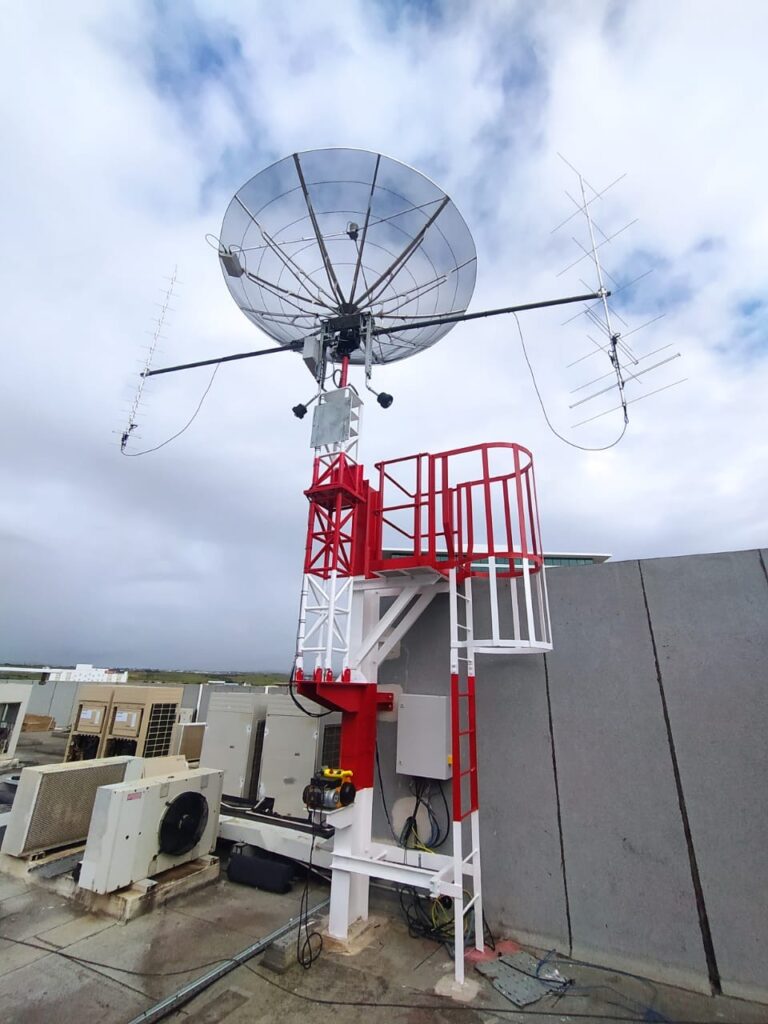
The MRIC’s ground station is undergoing an upgrade to accommodate future missions, including the IMJS. Enhancements include expanded telemetry, tracking and control (TT&C) capabilities and data downlink support for low Earth orbit (LEO) satellites. The station is also set up to support regional satellite data reception and cooperation with international agencies, helping Mauritius build strong partnerships for global missions.
What is the strategic significance of your partnerships with India (ISRO), UAE (MBRSC), and Japan (JAXA)?
Our strategic partnerships with Japan’s JAXA, India’s ISRO ,and the UAE’s Mohammed Bin Rashid Space Centre (MBRSC),have been foundational to space development agenda of Mauritius. The JAXA-UNOOSA KiboCube opportunity marked a historic milestone by establishing our first-ever presence in space, demonstrating that even a small island nation with limited resources can participate meaningfully in the new space era through key collaborations. Through ISRO, we gain invaluable technical expertise, support in mission design, and capacity-building initiatives that strengthen our local capabilities. Meanwhile, our collaboration with MBRSC has enabled impactful youth engagement, exemplified by the opportunity for 300 Mauritian students to communicate live with an Emirati astronaut in 2024. Collectively, these partnerships have been instrumental in shaping the Mauritius Space Strategy, positioning space and satellite technologies as a potential emerging socioeconomic pillar for the nation—especially in areas such as disaster management, climate monitoring, and educational sector.
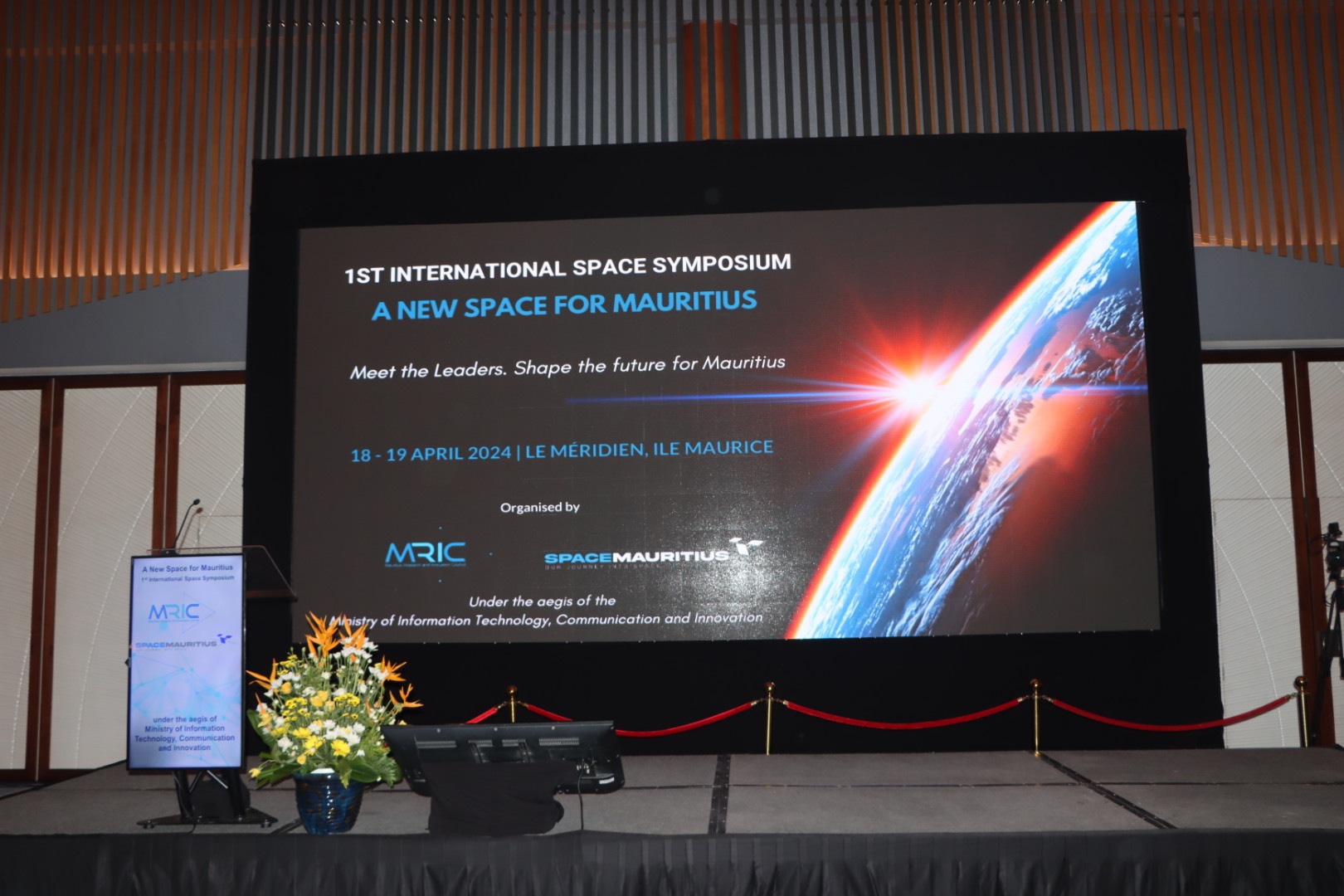
What kind of collaborations are you looking for in the private sector — both locally and internationally?
We are keen to engage with companies developing EO applications, satellite component manufacturing, ground station services, and downstream data analytics. Locally, we aim to catalyze an innovation-driven ecosystem where space applications support sectors such as tourism, agriculture, and marine resource management. Internationally, we welcome partnerships in R&D, technology transfer, and capacity building, especially from startups and SMEs operating in the NewSpace economy.
How does MRIC plan to attract space startups or entrepreneurs to Mauritius?
MRIC plans to leverage its National SME Incubator Scheme and the NSIS (National SME Incubator Scheme) to create tailored support for potential space entrepreneurs. This includes access to grants, mentorship, co-working infrastructure, and international exposure. We could also explore the creation of a dedicated Pole of Innovation for Space that would house startups, researchers, and public agencies in a collaborative environment conducive to innovation in space applications.
What are the most promising use cases of satellite data for Mauritius — e.g., maritime monitoring, climate resilience, or agriculture?
Some of the most promising applications include maritime domain awareness (monitoring fishing vessels and illegal activity), climate change tracking (coastal erosion, sea-level rise), and precision agriculture (crop health and water usage). Additionally, we are exploring the possibility of using EO data to support disaster response planning and infrastructure development, making it a cross-cutting enabler for national development.
Is there any effort to build an open EO data platform or analytics tools for national use?
Yes. MRIC is working towards the development of a national EO data portal to centralize, curate, and disseminate satellite imagery and derived products. This will be complemented by open-source analytics tools and capacity-building programmes to empower stakeholders in government, academia, and the private sector to make informed decisions using geospatial data.
How is MRIC engaging schools, universities, and youth to create a space-ready workforce in Mauritius?
Youth engagement is a cornerstone of MRIC’s space development strategy. We have conducted hands-on outreach workshops in schools, including antenna-building exercises and NOAA satellite image capture, to provide practical experience with space technologies. Additionally, MRIC facilitated a live interactive session between 300 Mauritian students and the Emirati astronaut on board ISS in 2024, inspiring the next generation through direct engagement with space professionals. We seek to collaborate with tertiary institutions to integrate space science and technology into STEM curricula, with the overarching aim of cultivating a sustainable pipeline of future engineers, scientists, and entrepreneurs who will drive our space ambitions forward.

Are you collaborating with international universities or research institutes on aerospace or satellite engineering?
We have established initial contacts with universities in Japan and UK to explore opportunities for research exchanges, satellite design projects, and advanced training. While these relationships are still in the early stages, they have the potential to provide Mauritian students and researchers with access to valuable knowledge and resources in the future. Currently, interest in the space field among Mauritian students remains limited, but we are hopeful that ongoing efforts of the MRIC will help build momentum and strengthen our domestic research capabilities over time.
Is Mauritius working on national space legislation or space policy frameworks (e.g. licensing, data sharing, orbital debris)?
While Mauritius has not yet initiated work on national space legislation or policy frameworks, we recognize their importance and intend to address them as our space initiative matures. In the future, we aim to develop a National Space Policy and Regulatory Framework covering areas such as licensing, frequency allocation, data sovereignty, orbital debris mitigation, and alignment with international treaties. As a Small Island Developing State (SIDS), we also hope to contribute to the global discourse on space law by bringing forward the perspectives of nations with specific vulnerabilities and limitations, ensuring that such frameworks address the unique needs of SIDS. Establishing this framework will be key to enabling responsible and sustainable growth of our space sector, while fostering confidence among potential investors and partners.